
How to Play Short Par 4s: The 3-Shot Script That Stops Dumb Bogeys
Short par 4s bait golfers into stupid decisions. Use this 3-shot script, target-width checkpoints, and simple drills to turn temptation into more pars and real birdie looks.

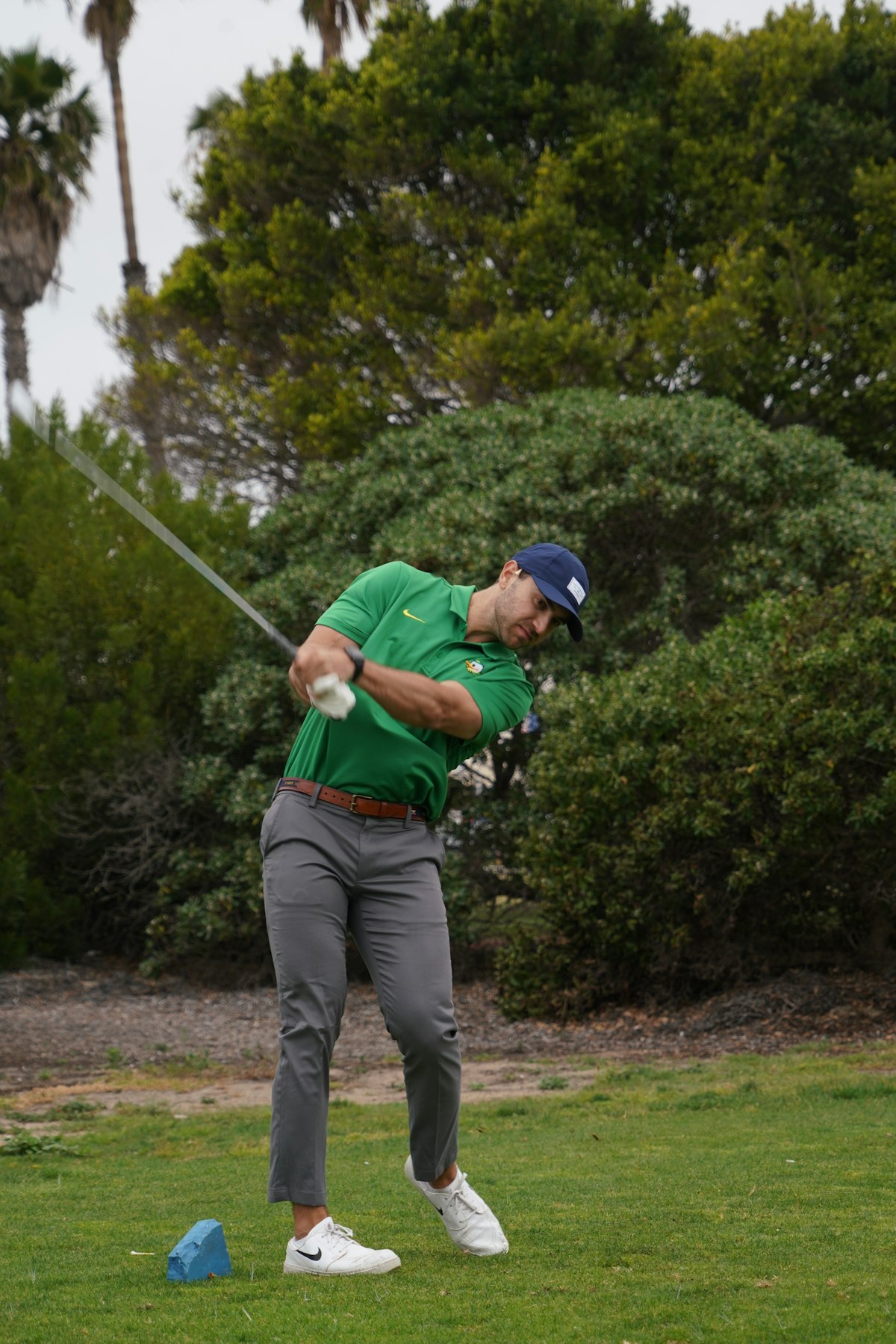
Short par 4s make average golfers lose their damn minds.
You see 332 yards on the card, convince yourself this is a birdie hole by birthright, and suddenly you’re trying to drive a green guarded by bunkers, water, rough, railroad ties, and your own wildly inflated self-belief.
Then you make 5.
Or 6.
That is the joke of the short par 4. It looks scoreable, so golfers stop thinking.
The fix is not “be more aggressive” or “always lay back.” The fix is using the right three-shot script so the hole stops turning into a tiny ego test.
The Goal Is a Clean Birdie Chance, Not a Hero Tee Shot
On a short par 4, the scorecard question is simple:
- can you create a wedge or flip shot from a good angle?
- can you avoid the one miss that turns birdie into bogey fast?
- can you leave yourself a putt instead of a recovery?
That is it.
You do not get extra points for nearly driving it pin-high and then short-siding yourself in theatrical fashion.
If this sounds familiar, it is the same basic logic behind the fairway-finder tee-shot plan and how to stop short-siding yourself. The hole is short. The punishment for acting dumb is still real.
First, Classify the Hole Before You Hit Anything
Most short par 4s fall into one of three buckets.
1. Fake drivable
This is the most dangerous one.
It technically can be driven, but only if you:
- flush it
- start it on the right line
- get a helpful bounce
- avoid the exact bunker, creek, or shaved falloff the architect put there to trap impatient golfers
If one average miss turns into immediate damage, it is fake drivable.
2. Real drivable
This one gives you:
- enough landing space around the green
- a miss that still leaves a simple pitch or putt
- very little penalty trouble
You still need discipline, but at least the math is on your side.
3. Wedge hole pretending to be a driving hole
This is the adult answer on a lot of courses.
Maybe the hole is 305-355 yards, but a smart tee ball to 85-115 yards leaves the cleanest angle, takes the biggest number out of play, and gives you a full scoring club instead of some greasy half-swing from 43 yards in patchy rough.
Those holes are not boring. They are profitable.
The Three Tee-Shot Questions That Decide the Right Play
Before every short par 4, ask:
1. What is the usable landing width at my carry number?
Use this rough guide:
- 35 yards or wider: driver can stay in the conversation
- 25-34 yards: caution zone, especially if the bad side is nasty
- under 25 yards: you had better have a very good reason to hit the loudest club
If your real driver pattern is about 30 yards wide, aiming it into a 22-yard landing area is not aggression. It is just poor geometry.
2. What miss is worse: long, short, left, or right?
There is almost always one miss that is obviously more expensive.
Examples:
- long through the fairway = blocked by trees
- short = still in fairway
- left = hazard
- right = rough but open
Once you know the expensive miss, your play gets easier.
3. Does getting closer actually make the next shot easier?
This is the one golfers skip.
If driver leaves:
- a partial 28-yard pitch from rough
- a bunker shot
- a weird downslope chip
…while hybrid leaves 96 yards from the fairway, the farther-back shot is often the real birdie play.
That is especially true if your wedge numbers are sharper from a stock window. If they are not, start with the 90-to-120-yard wedge system before pretending chaos is a strategy.
The Short-Par-4 Playbook
Play A: Hit driver only when the miss stays playable
Green light to attack when all of these are true:
- your driver can reach the front or run near the green
- a slight miss still leaves a simple recovery
- there is no penalty area or automatic short-side waiting
- the landing zone is wide enough for your normal pattern
If one of those disappears, the case for driver gets shakier fast.
Play B: Use the fairway finder to leave a full wedge
This is the money move on a lot of short par 4s.
Pick a club that leaves:
- 85-95 yards if you love a fuller sand or gap wedge
- 100-110 yards if you trust stock full wedges more
- 115-125 yards if that is your favorite flighted pitching wedge window
Avoid laying up to 40-60 yards unless you actually practice it. That zone makes a ton of golfers decelerate, guess, and say “I just didn’t have a feel for it today,” which is golfer code for “I created my own problem.” If that distance keeps haunting you, build an actual 40-60 yard wedge system instead of pretending a half-swing counts as planning.
Play C: Hit the tee ball to the best angle, not just the shortest number
This matters a lot on holes with diagonal greens or bunkers pinching one side.
If the flag is back-right and the best angle is from the left half of the fairway, take the tee shot that gets you there. A clean 108-yard wedge from the correct angle is better than a sketchy 52-yard shot from behind a tree branch and your own regret.
What the Third Shot or Approach Is Supposed to Do
Once the tee ball is done, the job becomes boring again:
- pick the correct carry number
- favor the fat side if the pin is tucked
- make sure the miss stays on the green or just off it
On short par 4s, golfers ruin the hole twice:
- they choose the wrong tee shot
- then they act like a tucked pin owes them something
If the pin is cut three paces from the edge, aim middle green and try to make a 15- to 25-footer. That is how birdies show up without drama.
My Rule for Front Pins on Short Par 4s
Front pins are the biggest sucker play on these holes.
If you left yourself:
- a downhill chip
- a half-wedge from rough
- a spinner from a tight lie
…the front pin is not an invitation. It is a warning label.
The smarter play is usually:
- land it middle green
- leave an uphill putt
- take your par minimum and your birdie chance if it happens
You can use the same thinking from 150-175-yard approach strategy even though the club is different. The best target is often just the part of the green that keeps the bad shot playable.
The Numbers I Want You Tracking
For your next five rounds, track this on every short par 4 under about 360 yards:
- tee club used
- approach distance left
- whether the approach came from fairway, rough, or recovery
- result: birdie look, stress par, bogey or worse
Benchmarks I like:
- at least half of your short-par-4 approaches from the fairway
- at least 60 percent of your approaches finishing on the green or fringe
- bogey or worse on no more than 1 of every 4 short par 4s
If you are not hitting those numbers, the problem is usually decision-making before impact, not some mysterious swing curse.
The 9-Ball Practice Block for Short Par 4s
This is how to practice the hole without just pounding driver until your forearms lie to you.
Bring:
- driver
- fairway-finder club
- favorite scoring wedge
Run this sequence three times:
- Hit one driver to a fairway target
- Hit one fairway-finder tee shot to a different fairway target
- Hit one wedge to a target between 90 and 115 yards
Scoring:
- 2 points: tee shot finishes in play or wedge finishes inside 20 feet
- 1 point: safe miss
- 0 points: penalty, obvious big miss, or wedge nowhere near the green
Good total: 13 or better out of 18
That practice block matters because short par 4 scoring is a sequencing skill. One good swing is nice. Three sensible swings are what actually cash the hole in.
What Different Golfers Should Actually Do
Trying to break 100
Treat most short par 4s as:
- tee shot in play
- wedge to green
- two putts
Bogey is fine. Doubles are the enemy.
Trying to break 90
Pick one short par 4 per round where you attack if the setup is genuinely friendly. The rest get the fairway-finder treatment.
Trying to break 80
Now you should know:
- your best layup number
- your honest driver dispersion
- which short par 4s on your regular tracks are real drivable holes and which ones are fake-drivable scams
If you do not know those things, you are still guessing.
Bottom Line
The best short-par-4 strategy is not “always go” or “always lay back.”
It is this:
- attack only when the miss stays playable
- otherwise leave your favorite wedge yardage
- then aim at a target your normal shot pattern can actually support
That is how short par 4s become birdie chances instead of tiny disaster movies.
If you want the full scoring-system version of this, pair this with how to play par 5s without blowups, the wedge distance-control guide, and the fairway-finder tee-shot plan. Those three pieces together clean up a stupid amount of scorecard damage.
Related Articles