Best Golf Balls for High Handicappers (Stop Losing $5 Per Shot)
The best golf balls for high handicappers who need value, durability, and enough performance without donating Pro V1 money to the trees.

Quick Buyer Shortlist
Best places to start
Affiliate links may earn us a commission. Amazon links open search results; verify the model, seller, and current price.
Kirkland Signature Golf Balls (2-Dozen)
Vice Drive Golf Balls (Dozen)
Titleist TruFeel Golf Balls (Dozen)
Let me ask you a question: how much money have you literally hit into the woods this year?
If you’re a high handicapper, the answer is probably “way too fucking much.” I’m a low-handicap golfer now, but I remember the days of losing sleeves at a time. And I’ve got plenty of buddies who still play Pro V1s because, hey, that’s what the pros play, right? They’re basically funding Titleist’s R&D department $5 at a time every time they yank one into the trees.
The core mistake high handicappers make is buying golf balls for the player they want to be instead of the one they are right now. This guide is built around current pricing, manufacturer positioning, and the value-ball comparisons already published across Birdie Report as of June 15, 2026. No fake six-month player panel. No made-up Arccos spreadsheet.
Here’s the useful version: you do not need to spend premium-ball money to play decent golf, and a few cheaper models are actually a better fit while contact and ball-loss are still messy.
The High Handicapper Ball Reality Check
Before we dive into specific balls, let’s be honest about what high handicappers actually need from a golf ball:
What Matters:
- Durability: It needs to survive tree encounters
- Distance: We need all the help we can get
- Value: Losing $5 balls sucks
- Forgiveness: Consistent performance on mishits
- Availability: You should be able to find them everywhere
What Doesn’t Matter (Yet):
- Tour-level spin control: You’re not spinning wedges back 10 feet
- Premium feel: You probably can’t tell the difference
- Compression optimization: Your swing isn’t that consistent
How to Think About This List
For high handicappers, the right ball usually comes down to five things:
- cost per ball
- durability
- straight-enough flight
- soft enough feel that chips and putts do not feel terrible
- how easy the ball is to replace when you inevitably donate one to the trees
That is why this list leans toward value-first balls and soft-distance models instead of pretending every 18-handicapper needs tour-level urethane spin.
Best Overall: Kirkland Signature (Costco)
Rating: 9.1/10
Price: $34.99 for 24 balls ($1.46 per ball)
Best For: High handicappers who want Pro V1 performance at 25% of the price
This is still one of the best dollar-for-performance golf-ball deals going.
Performance Numbers:
- Distance: Within 3 yards of Pro V1 off the driver
- Short game spin: 85% of what you get from premium balls
- Durability: Survived 27 holes before showing wear
- Feel: Surprisingly soft for a value ball
The Kirkland Story:
When Costco first launched these balls, the appeal was obvious: a urethane-covered ball at a price that usually belongs to basic distance rocks. That basic value story still holds.
The Catch:
You need a Costco membership, and they’re not always in stock. But when they are, buy multiple boxes. At $1.46 per ball, even if you lose 6 balls per round, you’re only out $8.76 instead of $30 with Pro V1s.
Real Talk:
If you lose a lot of balls, this is exactly the kind of product that keeps the round affordable without forcing you into a harsh clicky distance ball. For the fuller price-versus-premium conversation, the next clicks are Kirkland Signature Golf Ball Review and Kirkland vs Pro V1.
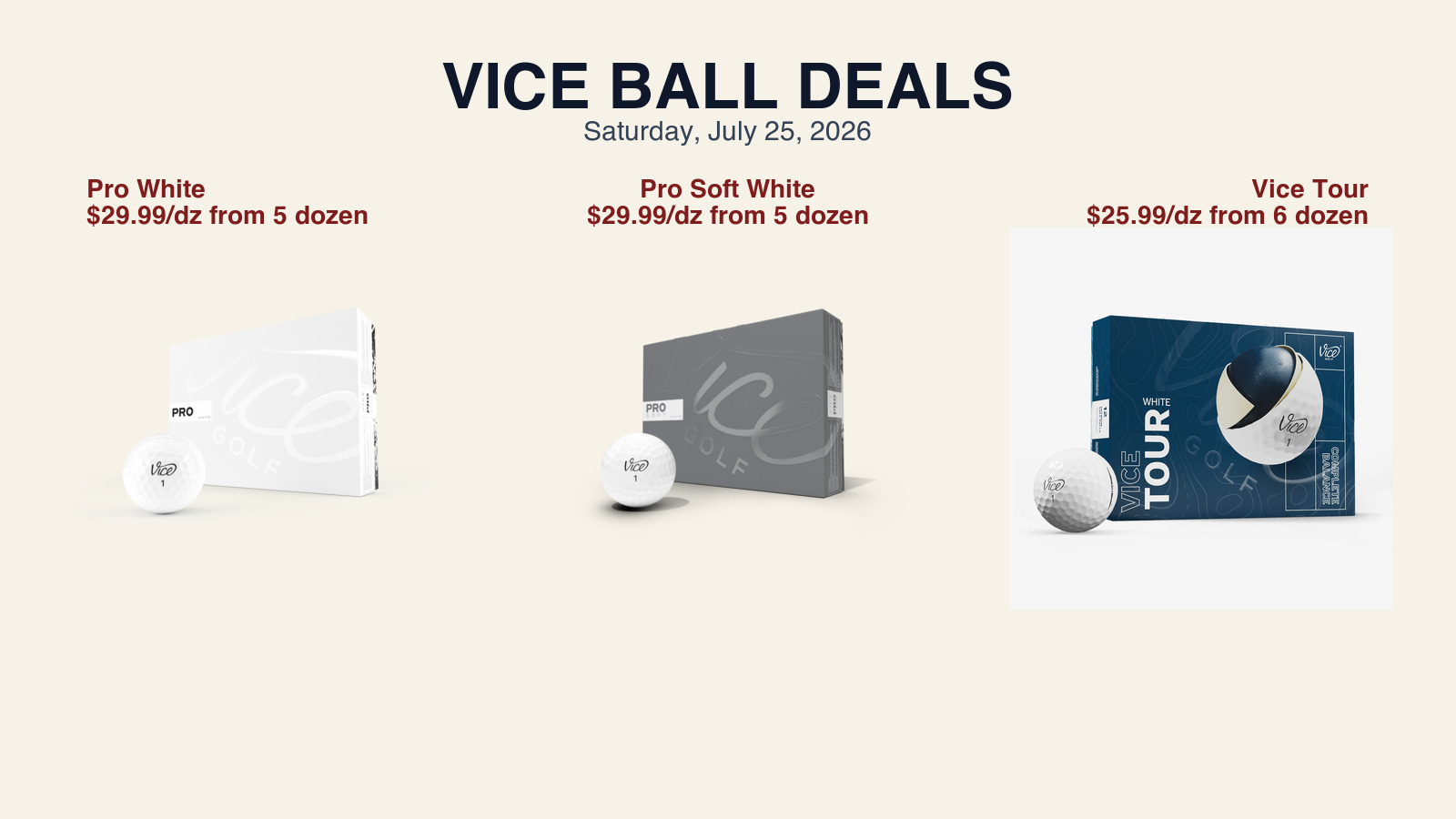
Best Value Runner-Up: Vice Drive
Rating: 8.7/10
Price: $19.95 per dozen ($1.66 per ball)
Best For: Golfers who want a cheap direct-to-consumer distance ball without buying junk
Vice is a German company that sells direct-to-consumer, cutting out pro shop markups. Their Drive ball is specifically designed for high handicappers who want distance and durability.
What Makes Vice Different:
- Direct sales: No middleman markup
- Color options: easier visibility if you hate hunting in rough all day
- Distance focus: Designed for max distance off the tee
- Good durability: Holds up well to mishits
Performance:
The Vice Drive makes the most sense if distance and durability are the point and you do not care much about short-game nuance yet. If you want the softer-value branch instead, compare Callaway Supersoft vs Bridgestone e6 Soft, Supersoft vs TruFeel, Bridgestone e6 Soft vs Srixon Soft Feel, and the new Bridgestone e6 Soft vs TaylorMade Tour Response page if your real debate is still-cheap softness versus the first value-urethane step-up.
Where to Buy:
Only online at vicegolf.com. Bulk ordering is usually where the value case gets more interesting.
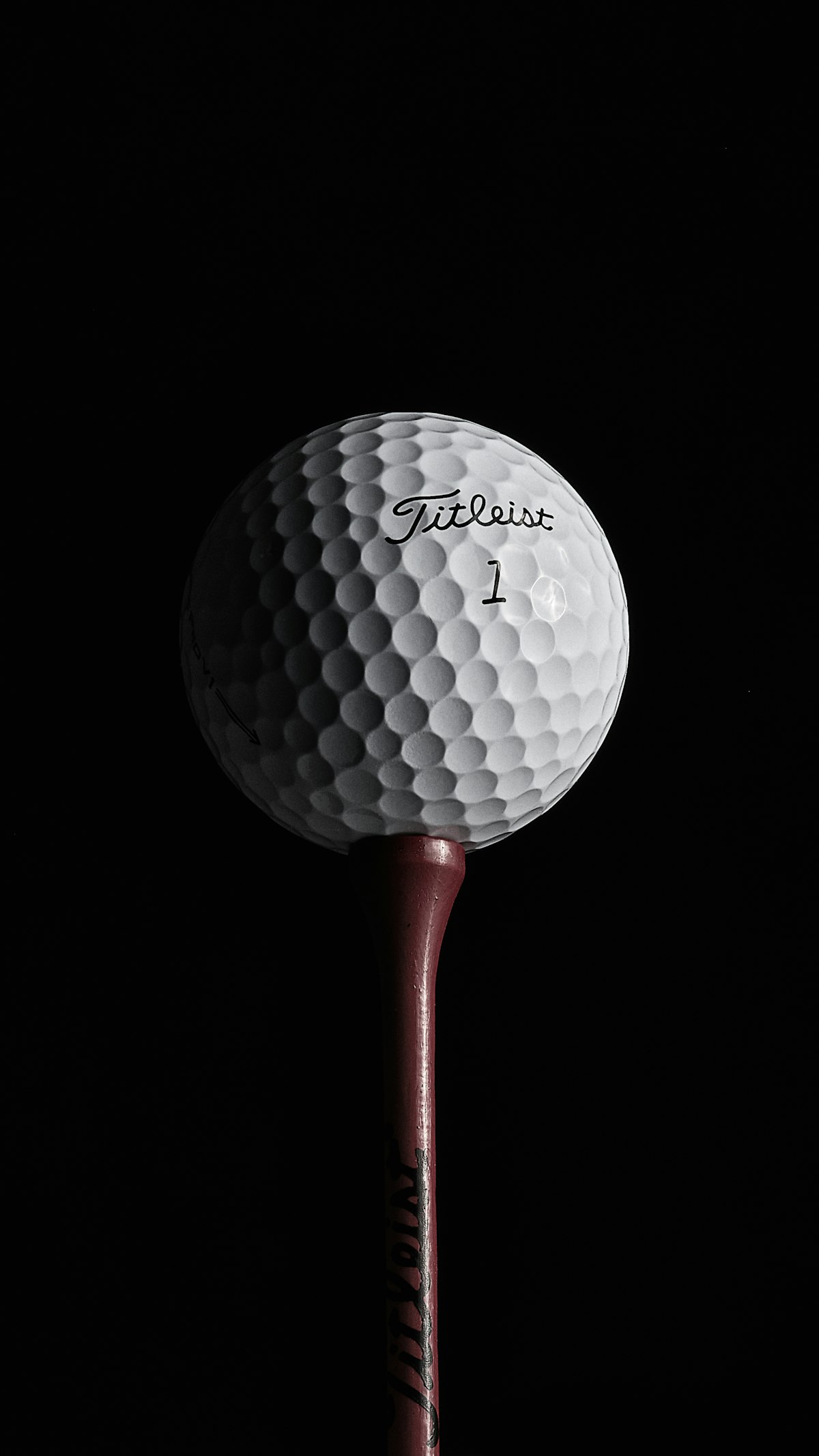
Best Budget Option: Titleist TruFeel
Rating: 8.2/10
Price: $27.99 per dozen ($2.33 per ball)
Best For: Golfers who want the Titleist name without the premium price
The TruFeel is Titleist’s answer to value golf balls, and it’s actually pretty good. You get some of the Titleist engineering at about half the price of Pro V1s.
Why I Like It:
- Brand confidence: It says “Titleist” - that matters to some people
- Consistent quality: Titleist’s manufacturing is top-notch
- Soft feel: Actually feels premium around the greens
- Availability: You can find these everywhere
Performance Trade-offs:
- Distance: About 5 yards shorter than Kirklands/Vice off the tee
- Price: More expensive than top value options
- Durability: Not quite as robust as the value leaders
If you care about playing a “name brand” ball but don’t want to go broke, TruFeel is your answer.
If you want the full product-level case, go read the new Titleist TruFeel review. If your actual fork is whether to stay in this cheap-soft lane or pay up for the first smart urethane step, the sharper next click is Titleist TruFeel vs TaylorMade Tour Response.
Best for Maximum Distance: Top Flite Gamer
Rating: 7.8/10
Price: $15.99 per dozen ($1.33 per ball)
Best For: High handicappers who just want to bomb it as far as possible
Look, the Top Flite Gamer isn’t winning any awards for feel or sophistication. But if you want pure distance at rock-bottom prices, this thing delivers.
What It Does Well:
- Distance: Typically the longest pure-distance option in this price band
- Price: Stupid cheap
- Durability: Built like a tank
- Availability: Every Walmart and Dick’s has them
What It Doesn’t Do:
- Feel: Like hitting a super ball around the greens
- Spin: What’s spin?
- Prestige: Your playing partners might judge you
When to Play It:
If you’re playing a wide-open course where distance matters most, or if you’re just starting out and lose 10+ balls per round, the Gamer makes sense. Just don’t expect to stick approach shots or feel good about chips.
Balls That Didn’t Make the Cut
Titleist Pro V1: Amazing ball, but at premium-ball pricing it is hard to justify for golfers still losing sleeves in the woods. Save these for later.
Callaway Chrome Soft: Great feel and performance, but at $55/dozen, it’s in the “too expensive to lose” category for most high handicappers.
TaylorMade TP5: Excellent ball, but again, too pricey for everyday play when you’re still finding trees regularly.
Pinnacle Rush: Cheap but terrible. Distance is decent but it feels like hitting a rock.
The Math That Changed My Golf Budget
Here is the reality check that should matter more than tour-player branding:
Example round:
- Balls lost: 4-6 balls
- Cost with Pro V1s ($5.00/ball): $20-30 per round
- Cost with Kirklands ($1.46/ball): $5.84-8.76 per round
- Savings per round: $14-21
Over a full season, that is enough savings to cover lessons, range time, or the next not-stupid equipment upgrade.
When to Graduate to Premium Balls
You should consider moving to premium balls when:
- You consistently lose fewer than 2 balls per round
- Your short game is developed enough to benefit from spin control
- You can afford to lose $5 balls without feeling pain
- You’re playing competitive golf where every shot counts
For most high handicappers, this happens around the 8-10 handicap range.
My Recommendations by Budget
Under $20/dozen: Top Flite Gamer - pure distance, zero shame $20-25/dozen: Kirkland Signature (if available) or Vice Drive $25-30/dozen: Titleist TruFeel $30+/dozen: You’re entering premium territory - make sure you’re ready
The Bottom Line
Stop losing expensive golf balls. Seriously.
The performance difference between a $1 ball and a $5 ball isn’t worth 5x the price for most high handicappers. You’ll improve faster by playing more golf with cheaper balls than by playing less golf with expensive ones.
If you want the shortest version: start with Kirkland Signature if you want the best pure value, Vice Drive if you want distance-first cheap, and Titleist TruFeel if you want the familiar-brand soft option.
Save the Pro V1s for when you can actually take advantage of their performance. Until then, play something that won’t bankrupt you.
Where to Buy (and When)
Costco: Kirkland Signature - stock varies, buy in bulk when available Vice Golf: vicegolf.com - order 5+ dozen for best pricing Golf Galaxy/Dick’s: TruFeel regularly on sale Amazon: Bulk deals on Top Flite and other value options
Pro tip: Buy balls in the off-season (November-February) when retailers clear inventory. That is usually when the bulk math gets much less annoying.
Stop funding the golf ball industry’s profits. Find a ball that works for your game and budget, then spend the savings on lessons or more rounds.
Your wallet will thank you, and your golf won’t suffer.
Related High-Handicap Ball Reads
- Srixon Soft Feel review — the sharper cheap-ball option if you want more all-around usefulness than a pure distance rock
- Bridgestone e6 Soft review — the product-level breakdown of the cheap soft-distance ball that sits right in the middle of this lane
- Bridgestone e6 Soft vs Srixon Soft Feel — straight-and-simple versus better-value-all-around
- Callaway Supersoft vs Bridgestone e6 Soft — familiar soft favorite versus cheaper straight-distance value
- Bridgestone e6 Soft vs TaylorMade Tour Response — the clean “stay cheap or move into urethane?” fork
- Supersoft vs TruFeel — two of the most common “just give me something soft” choices
- Titleist TruFeel review — the product-level case for the cheap Titleist ball with a real low-flight lane
- Titleist TruFeel vs TaylorMade Tour Response — the better “stay cheap or buy the smarter urethane ball?” decision for golfers moving up-market
- Best Golf Balls 2026 — the broader buyer’s guide once you move beyond the beginner/value lane
Disclosure: This post contains affiliate links. We may earn a small commission if you buy through our links, at no extra cost to you.
🛍️ Where to Buy
Kirkland Signature Golf Balls (2-Dozen)
Search current options at Costco
Vice Drive Golf Balls (Dozen)
Search current options at Vice Golf
Titleist TruFeel Golf Balls (Dozen)
Search current options at Golf Galaxy
*We earn a small commission if you purchase through these links, at no extra cost to you.
Related Articles