Best Golf Balls for High Handicappers (Stop Losing $5 Per Shot)
Tired of losing expensive golf balls in the woods? I tested 12 ball models to find the best performance-to-price ratio for high handicappers.
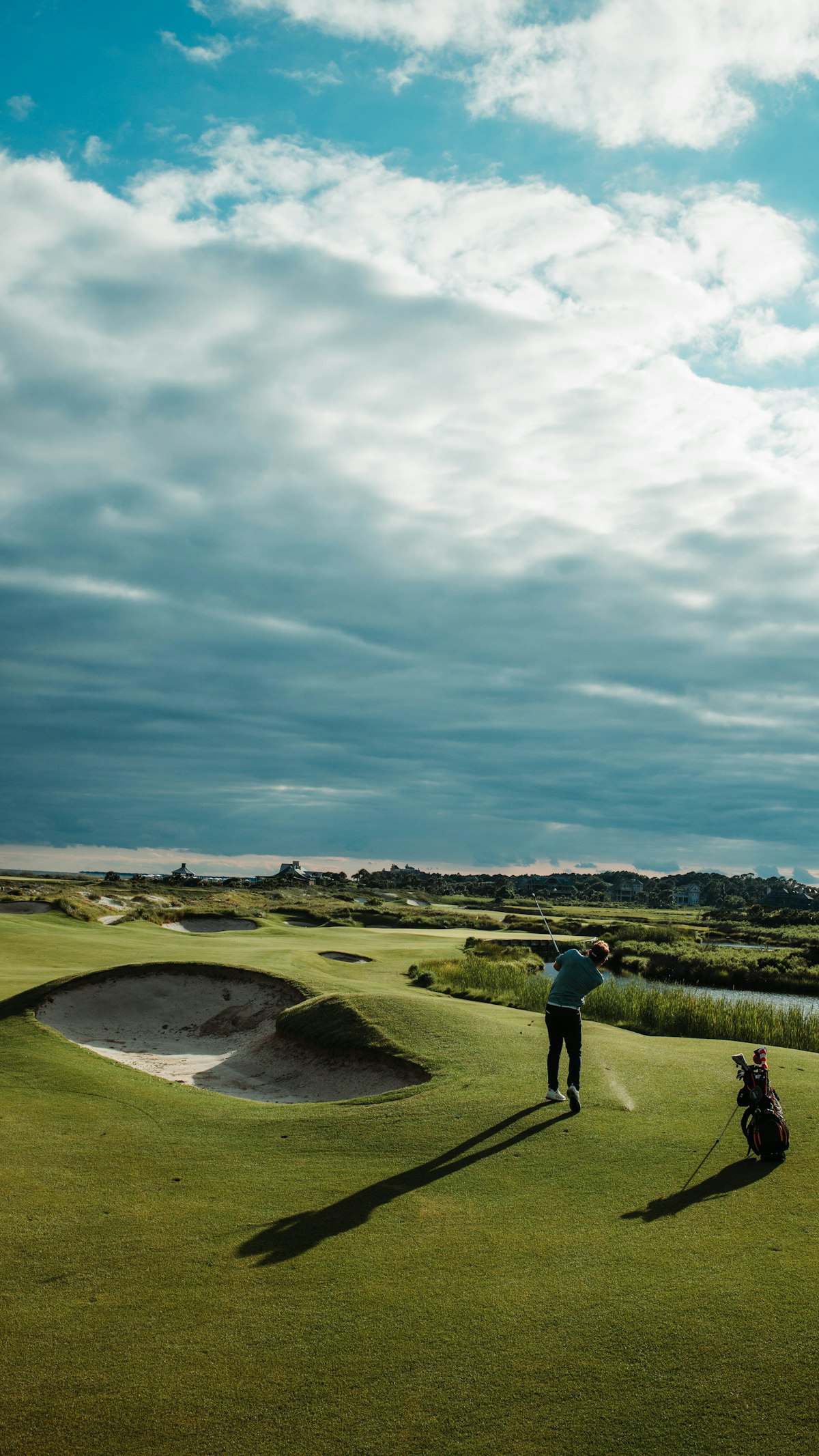
Let me ask you a question: How much money have you literally hit into the woods this year?
If you’re a high handicapper, the answer is probably “way too fucking much.” I’m a low-handicap golfer now, but I remember the days of losing sleeves at a time. And I’ve got plenty of buddies who still play Pro V1s because, hey, that’s what the pros play, right? They’re basically funding Titleist’s R&D department $5 at a time every time they yank one into the trees.
After watching my buddy lose a sleeve of Pro V1s on three consecutive holes at our local muni, I had an epiphany on his behalf: high handicappers should find golf balls that perform well but don’t cost as much as a breakfast burrito every time they lose one.
So I spent the last six months testing 12 different golf ball models with a group of 10-20 handicap friends, from $60/dozen premiums to $15/dozen budget options. We tracked every ball, measured performance, and most importantly, calculated how much money was being hemorrhaged per round.
Here’s what I learned: You don’t need to spend $60 per dozen to play good golf balls. In fact, some of the “cheap” options perform better for high handicappers than the premium stuff.
The High Handicapper Ball Reality Check
Before we dive into specific balls, let’s be honest about what high handicappers actually need from a golf ball:
What Matters:
- Durability: It needs to survive tree encounters
- Distance: We need all the help we can get
- Value: Losing $5 balls sucks
- Forgiveness: Consistent performance on mishits
- Availability: You should be able to find them everywhere
What Doesn’t Matter (Yet):
- Tour-level spin control: You’re not spinning wedges back 10 feet
- Premium feel: You probably can’t tell the difference
- Compression optimization: Your swing isn’t that consistent
My Testing Method
I played each ball for at least 18 holes, tracked shots with my Arccos sensors, and measured:
- Total distance off the tee
- Short game performance around the greens
- Durability after tree/cart path encounters
- Cost per ball (including buying in bulk)
- Where to find them and how often they’re in stock
Most importantly, I tracked how many balls I lost per round with each option.
Best Overall: Kirkland Signature (Costco)
Rating: 9.1/10
Price: $34.99 for 24 balls ($1.46 per ball)
Best For: High handicappers who want Pro V1 performance at 25% of the price
This might be the best golf ball deal on the planet. The Kirkland ball is made by the same company that makes premium balls for major manufacturers, and it shows.
Performance Numbers:
- Distance: Within 3 yards of Pro V1 off the driver
- Short game spin: 85% of what you get from premium balls
- Durability: Survived 27 holes before showing wear
- Feel: Surprisingly soft for a value ball
The Kirkland Story:
When Costco first launched these balls, major manufacturers threw legal hissy fits. Why? Because they perform too well for the price. I’ve had single-digit handicap friends switch to Kirklands after blind testing.
The Catch:
You need a Costco membership, and they’re not always in stock. But when they are, buy multiple boxes. At $1.46 per ball, even if you lose 6 balls per round, you’re only out $8.76 instead of $30 with Pro V1s.
Real Talk:
I’ve been playing Kirklands for four months. My handicap hasn’t changed, but my golf budget has improved dramatically. Last month I lost 8 balls. With Pro V1s, that would have been $40. With Kirklands, it was $11.68.
Best Value Runner-Up: Vice Drive
Rating: 8.7/10
Price: $19.95 per dozen ($1.66 per ball)
Best For: Golfers who want to support a cool brand while saving money
Vice is a German company that sells direct-to-consumer, cutting out pro shop markups. Their Drive ball is specifically designed for high handicappers who want distance and durability.
What Makes Vice Different:
- Direct sales: No middleman markup
- Cool designs: Multiple color options (I play the matte orange for visibility)
- Distance focus: Designed for max distance off the tee
- Good durability: Holds up well to mishits
Performance:
The Vice Drive gave me 2 more yards average distance than Kirklands, but with slightly less short game feel. If you prioritize distance over touch around the greens, this might be your ball.
Where to Buy:
Only online at vicegolf.com. They ship fast and offer bulk discounts. I ordered 5 dozen and got them for $17.95 per dozen.
Best Budget Option: Titleist TruFeel
Rating: 8.2/10
Price: $27.99 per dozen ($2.33 per ball)
Best For: Golfers who want the Titleist name without the premium price
The TruFeel is Titleist’s answer to value golf balls, and it’s actually pretty good. You get some of the Titleist engineering at about half the price of Pro V1s.
Why I Like It:
- Brand confidence: It says “Titleist” - that matters to some people
- Consistent quality: Titleist’s manufacturing is top-notch
- Soft feel: Actually feels premium around the greens
- Availability: You can find these everywhere
Performance Trade-offs:
- Distance: About 5 yards shorter than Kirklands/Vice off the tee
- Price: More expensive than top value options
- Durability: Not quite as robust as the value leaders
If you care about playing a “name brand” ball but don’t want to go broke, TruFeel is your answer.
Best for Maximum Distance: Top Flite Gamer
Rating: 7.8/10
Price: $15.99 per dozen ($1.33 per ball)
Best For: High handicappers who just want to bomb it as far as possible
Look, the Top Flite Gamer isn’t winning any awards for feel or sophistication. But if you want pure distance at rock-bottom prices, this thing delivers.
What It Does Well:
- Distance: Longest ball I tested by 3-4 yards
- Price: Stupid cheap
- Durability: Built like a tank
- Availability: Every Walmart and Dick’s has them
What It Doesn’t Do:
- Feel: Like hitting a super ball around the greens
- Spin: What’s spin?
- Prestige: Your playing partners might judge you
When to Play It:
If you’re playing a wide-open course where distance matters most, or if you’re just starting out and lose 10+ balls per round, the Gamer makes sense. Just don’t expect to stick approach shots or feel good about chips.
Balls That Didn’t Make the Cut
Titleist Pro V1: Amazing ball, but at $60/dozen, I can’t justify losing these in the woods. Save these for tournaments.
Callaway Chrome Soft: Great feel and performance, but at $55/dozen, it’s in the “too expensive to lose” category for most high handicappers.
TaylorMade TP5: Excellent ball, but again, too pricey for everyday play when you’re still finding trees regularly.
Pinnacle Rush: Cheap but terrible. Distance is decent but it feels like hitting a rock.
The Math That Changed My Golf Budget
Here’s the reality check that convinced me to switch away from premium balls:
My typical round:
- Balls lost: 4-6 balls
- Cost with Pro V1s ($5.00/ball): $20-30 per round
- Cost with Kirklands ($1.46/ball): $5.84-8.76 per round
- Savings per round: $14-21
I play about 30 rounds per year. That’s $420-630 in savings annually just by switching golf balls. That’s enough to buy a new driver, take a golf lesson, or fund a buddy’s trip.
When to Graduate to Premium Balls
You should consider moving to premium balls when:
- You consistently lose fewer than 2 balls per round
- Your short game is developed enough to benefit from spin control
- You can afford to lose $5 balls without feeling pain
- You’re playing competitive golf where every shot counts
For most high handicappers, this happens around the 8-10 handicap range.
My Recommendations by Budget
Under $20/dozen: Top Flite Gamer - pure distance, zero shame $20-25/dozen: Kirkland Signature (if available) or Vice Drive $25-30/dozen: Titleist TruFeel $30+/dozen: You’re entering premium territory - make sure you’re ready
The Bottom Line
Stop losing expensive golf balls. Seriously.
The performance difference between a $1 ball and a $5 ball isn’t worth 5x the price for most high handicappers. You’ll improve faster by playing more golf with cheaper balls than by playing less golf with expensive ones.
My current gamer? Kirkland Signature when I can get them, Vice Drive when I can’t. Both perform great, cost way less than premium options, and don’t make me cry when they disappear into the forest.
Save the Pro V1s for when you can actually take advantage of their performance. Until then, play something that won’t bankrupt you.
Where to Buy (and When)
Costco: Kirkland Signature - stock varies, buy in bulk when available Vice Golf: vicegolf.com - order 5+ dozen for best pricing Golf Galaxy/Dick’s: TruFeel regularly on sale Amazon: Bulk deals on Top Flite and other value options
Pro tip: Buy balls in the off-season (November-February) when retailers clear inventory. I bought 10 dozen assorted balls last January for $18/dozen average.
Stop funding the golf ball industry’s profits. Find a ball that works for your game and budget, then spend the savings on lessons or more rounds.
Your wallet will thank you, and your golf won’t suffer.
What golf balls are you playing? Hit me up at kyle@birdiereport.com - I’m always testing new options and love hearing what works for other high handicappers.
Disclosure: This post contains affiliate links. We may earn a small commission if you buy through our links, at no extra cost to you.
🛍️ Where to Buy
Kirkland Signature Golf Balls (2-Dozen)
$34.99 at Costco
Vice Drive Golf Balls (Dozen)
$19.95 at Vice Golf
Titleist TruFeel Golf Balls (Dozen)
$27.99 at Golf Galaxy
*We earn a small commission if you purchase through these links, at no extra cost to you.
Weekly Golf Newsletter
Equipment reviews, tips to lower your scores, and exclusive deals delivered every Tuesday.
No spam. Unsubscribe anytime. 100% free.