The Best U.S. Open Change at Shinnecock Might Be the USGA Finally Not Trying to Win the Tournament Itself
June 11, 2026 reporting around Shinnecock Hills suggests the USGA is backing off the old target-score obsession and letting the course do the work. That is exactly what this major needs.


Image: Birdie Report
If the USGA really is done trying to make itself the star of the U.S. Open setup, good.
That change is overdue.
According to Golf Monthly’s June 11, 2026 reporting from Shinnecock Hills, chief championships officer John Bodenhamer said the USGA is going to “let Shinnecock be Shinnecock” this week. The same report said NBC voices including Kevin Kisner, Dan Hicks, Brad Faxon, and Jim “Bones” Mackay all came away believing the organization is drifting farther from the old “par has to be the winning score or we failed” brain disease.
That is the best U.S. Open development of the week.
This column is based on that June 11, 2026 reporting, checked on June 13, 2026, plus the Shinnecock context we already built into our Rory and Scottie scouting piece. No pretending I spent media day hiding in the rough with a moisture meter.
Shinnecock Does Not Need the USGA Cosplaying as a Supervillain
This is the basic point.
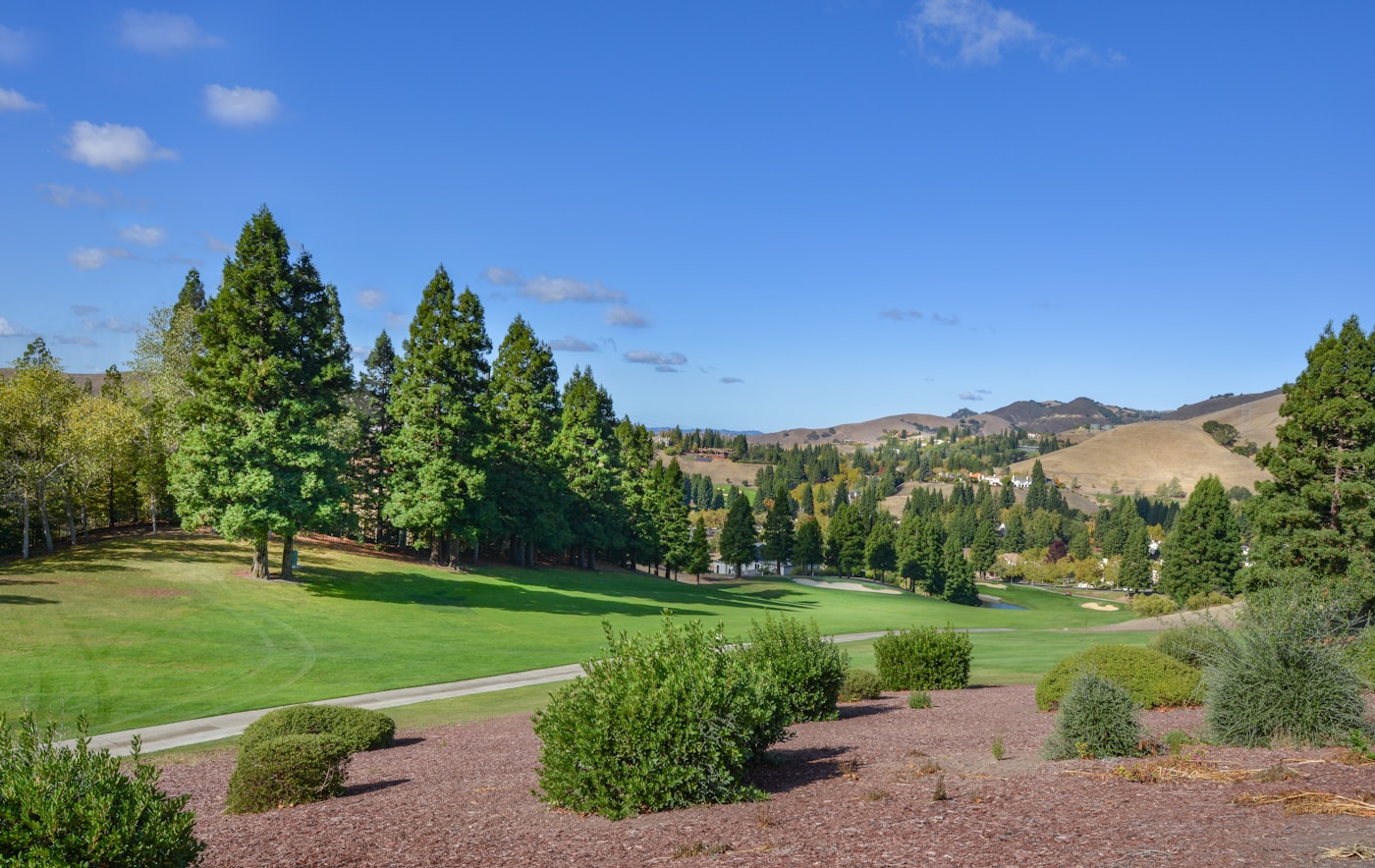
Shinnecock Hills is already one of the best championship venues in the country. It has history, wind, width, awkward recoveries, hard greens, weird angles, and enough natural edge to expose players without the setup team acting like every hole needs a little extra theatrical cruelty.
That is why the reported shift matters so much.
The old USGA habit of chasing a scoreboard number always felt like confusing the means with the end. The goal is not to produce a winning score that looks sufficiently stern in a graphic package. The goal is to identify the best player under a hard, coherent, fair championship test.
Those are not the same thing.
We already know from the recent Shinnecock scouting notes from Rory McIlroy and Scottie Scheffler that the place can still be vicious even with wider landing areas. The rough is real. The green complexes are nasty. The misses compound fast. None of that needs fake enhancement.
The Best U.S. Open Setups Feel Demanding, Not Manipulative
This is where some golf setups go wrong.
There is a huge difference between:
- difficult
- exacting
- uncomfortable
and
- fussy
- punitive
- clearly overhandled
The first version makes players solve golf. The second version makes them survive an administrator’s mood.
That is why the specific Shinnecock detail in the reporting was so encouraging. Kisner said the fairways are supposed to be about six yards wider on average than in 2018, and Hicks said this should be the first U.S. Open at Shinnecock using the course’s restored original William Flynn width rather than something squeezed tighter just because somebody in setup control wanted scarier visuals.
That sounds smarter already.
Wider fairways do not automatically mean softer golf. They just move the pressure to better places:
- angle
- lie
- approach control
- recovery skill
- patience
That is exactly where a major should live.
The USGA’s Old Par Fetish Was Always a Little Embarrassing
Let’s just say it plainly.
The obsession with making the winning score hover around even par has always been one of golf’s dumber status games.
Who cares?
If Shinnecock plays hard and the winner finishes at 1-under, fine. If the wind gets weird and the winner finishes at 4-over, also fine. If the place is firm, fair, and brilliant and somebody still shoots 7-under because he stripes it for four days, maybe the correct response is not panic. Maybe the correct response is: wow, that guy was incredible.
The major is supposed to reveal quality, not manufacture suffering.
That is part of why our earlier U.S. Open qualifying columns landed the way they did. The best systems in golf are the ones that trust performance instead of trying to costume it. Final qualifying does that with access. A properly restrained U.S. Open setup can do it with the championship itself.
This Shift Would Also Make the Broadcast Better
There is a selfish viewer angle here too.
A natural, strategic, weather-shaped Shinnecock is just more interesting television than a course that spends all week flirting with self-parody.
If the greens are quick but sane, the fairways wide enough to create options, and the rough severe enough to punish bad decisions, then the conversation gets better in a hurry. Instead of hearing endless setup whining, we get to watch players make choices:
- take on the aggressive line or not
- use the width or back off
- attack a shelf or play underneath it
- chip safely or try something greedy
That is golf.
The venue starts to matter more than the grievance cycle.
My Read
The reported philosophy change is not the USGA going soft.
It is the USGA maybe, finally, acting like it trusts one of its best venues.
That is a healthier signal than the old routine where every setup conversation felt like a silent argument with history. Nobody needs Shinnecock Hills turned into a lab experiment. They need it presented cleanly enough that its own design and weather can separate the field.
That should be the whole job.
Bottom Line
If the USGA really lets Shinnecock be Shinnecock at the 2026 U.S. Open, that is not backing down.
It is smart restraint.
The championship does not need a target score, a forced controversy, or a setup team trying to prove how serious it is. It needs a great course, a nasty but fair test, and enough confidence to let the golf create the story.
That version of the U.S. Open sounds a lot better than the old one.
Related Articles