Rory McIlroy Is Right: The PGA Tour Cannot Turn National Opens Into Fancy Closed Shops
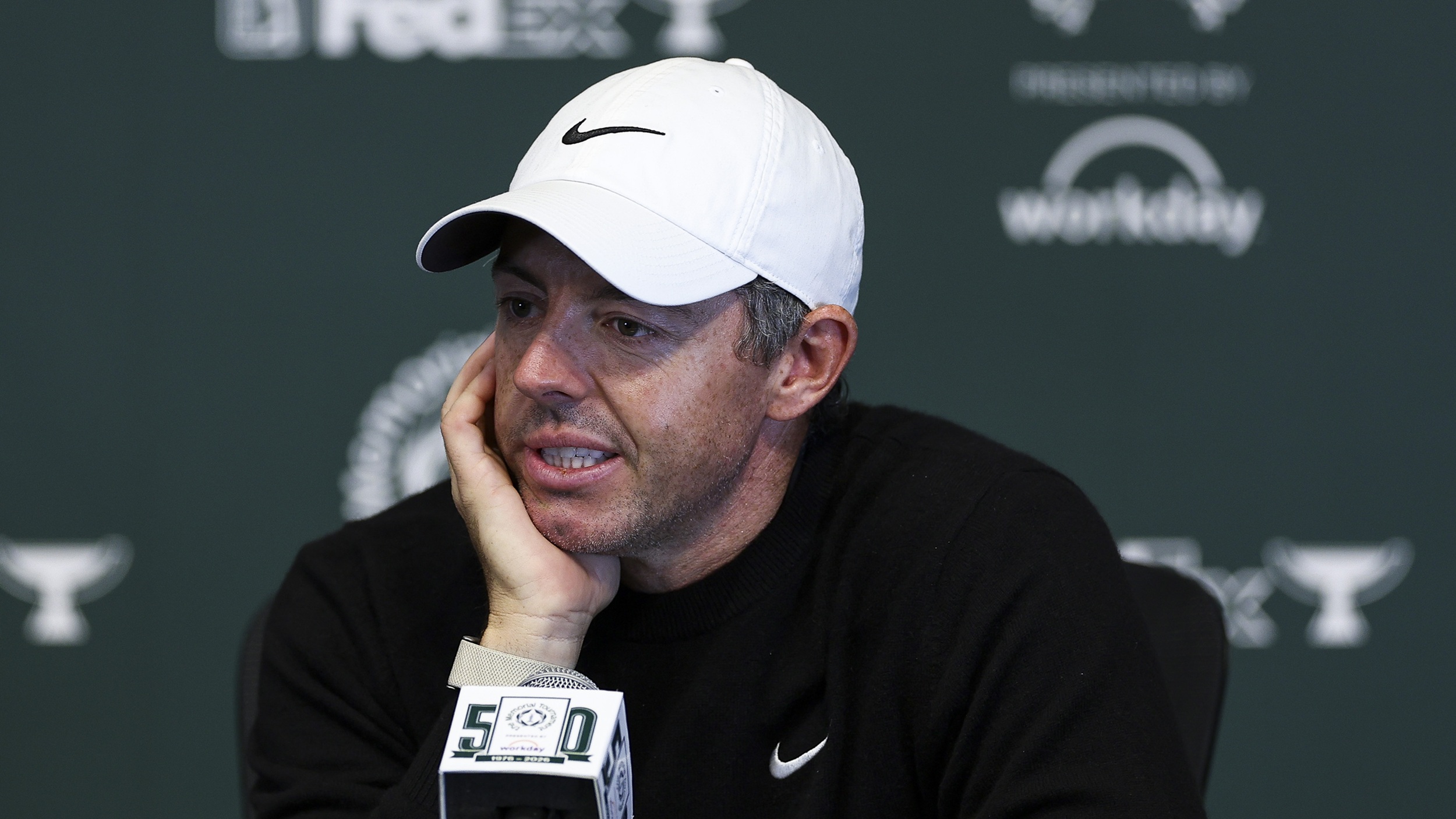
Rory McIlroy's July 8, 2026 Scottish Open comments hit the weak point in the PGA Tour's 2028 plan: national opens lose something real if limited-field Championship Series logic gets dropped on them without nuance.


Image: Birdie Report
The PGA Tour’s 2028 structure might end up cleaner, sharper, and easier to sell.
It still cannot be allowed to bulldoze the personality out of national opens.
That is why Rory McIlroy’s comments ahead of the Genesis Scottish Open matter more than the usual pre-tournament schedule chatter. According to Sky Sports’ July 8, 2026 report, McIlroy warned that golf has to be careful not to turn national opens into closed-off events with a fixed number of players. And according to the PGA Tour’s official June 23, 2026 announcement, the coming Championship Series model is built around 15 events, roughly 120-player fields, and no alternates or sponsor exemptions.
Those two things fit together awkwardly, and McIlroy is right to say so.
This column is based on Sky Sports’ July 8, 2026 Scottish Open report and the PGA Tour’s official June 23, 2026 Championship Series materials, both checked on July 9, 2026. No pretending I was in the room drawing future field sizes on a whiteboard with the commissioner.
Before this, read our breakdown of the 2028 PGA Tour structure, the sharper Rolapp opinion piece, the no-sponsor-exemptions column, and our Canadian Open calendar argument.
National Opens Are Not Just Another Premium Inventory Bucket
This is the basic problem.
The Tour’s broader logic makes sense in a vacuum. Smaller premium fields are easier to package. They make qualification races clearer. They reduce some of the weekly administrative mush that has made parts of the schedule feel interchangeable.
Fine.
But a national open is not supposed to feel interchangeable.
That is the whole point of the label.
These events are supposed to leave at least some room for:
- local identity
- a more open field story
- different pathways into the week
- and the sense that the tournament belongs to something bigger than a premium-player members club
If you squeeze that down too hard, you still have a good tournament.
You just do not have the same tournament anymore.
McIlroy Picked the Right Example
McIlroy called the Scottish Open a blueprint, and he is not wrong.
We already argued in our Scottish Open column from July 7 that the event works because it is both a serious tournament and a meaningful Open Championship gateway. The DP World Tour also confirmed this week that three Royal Birkdale spots are available to the leading non-exempt players who make the cut.
That matters.
It means the week is not just stars doing one last links rehearsal while everybody else claps politely. The field still has a live edge to it. There is still access. There is still some mess.
Golf needs that.
And if the Canadian Open or Scottish Open gets folded too neatly into limited-field logic, that access starts disappearing first. McIlroy specifically floated the idea that the Canadian Open could become a co-sanctioned national-open model leading into the U.S. Open. That is a much healthier instinct than just assuming every important week should be forced into identical architecture.
This Is One Place Where the Tour Should Want Nuance
Normally I have very little patience for golf using the word “nuance” as cover for cowardice.
Here, it is the right word.
Because there is a real difference between:
- the Travelers Championship
- the RBC Heritage
- and a tournament that literally calls itself a country’s open championship
That difference should show up somewhere in the field model.
Maybe that means extra access categories. Maybe that means preserving qualifying routes. Maybe that means co-sanctioning structures that keep the field from becoming too hermetically sealed.
Whatever the exact mechanism is, the Tour should not act like a national open and a normal premium event are identical products with different logos.
They are not.
The Tour Can Still Keep the Core of the 2028 Plan
This is not an argument against the whole Championship Series idea.
The Tour can still tighten the premium layer. It can still reward season-long performance more clearly. It can still reduce random clutter.
But when the official plan already says there will be no alternates or sponsor exemptions in those events, it is reasonable to ask what happens when that logic reaches the wrong tournaments.
Because once you make a national open feel too closed, the damage is not just aesthetic.
You weaken:
- the event’s public identity
- its path-to-the-major energy
- and the exact type of fringe-player opportunity that gives golf some of its best stories
That is too high a price to pay just to make the calendar look tidier in a deck.
My Take
McIlroy is not defending nostalgia here.
He is defending texture.
National opens should still feel a little more open, a little more local, and a little less airlocked than the Tour’s generic premium weeks. If the 2028 structure is smart, it will recognize that difference instead of flattening it.
The Scottish Open works right now because it still feels like a real event with a real point of view, not just another expensive stop for the same 120 guys.
The Tour should learn from that instead of accidentally designing it away.
Bottom Line
Rory McIlroy’s July 8, 2026 warning about protecting the fabric of national opens is exactly right.
The PGA Tour’s official 2028 Championship Series plan may make sense in broad strokes, but if golf applies limited-field logic too bluntly to events like the Scottish Open or Canadian Open, those tournaments will lose part of what makes them matter.
And once that gets designed out, it will be harder to get back.
Related Articles