Rory McIlroy Playing Less Is Not a Problem, and the PGA Tour Should Stop Acting Like It Might Be
Rory McIlroy said on June 4, 2026 that he will keep picking his spots and prefers roughly 18 to 20 events a year. That is not a threat to the PGA Tour product. It is a useful reality check.

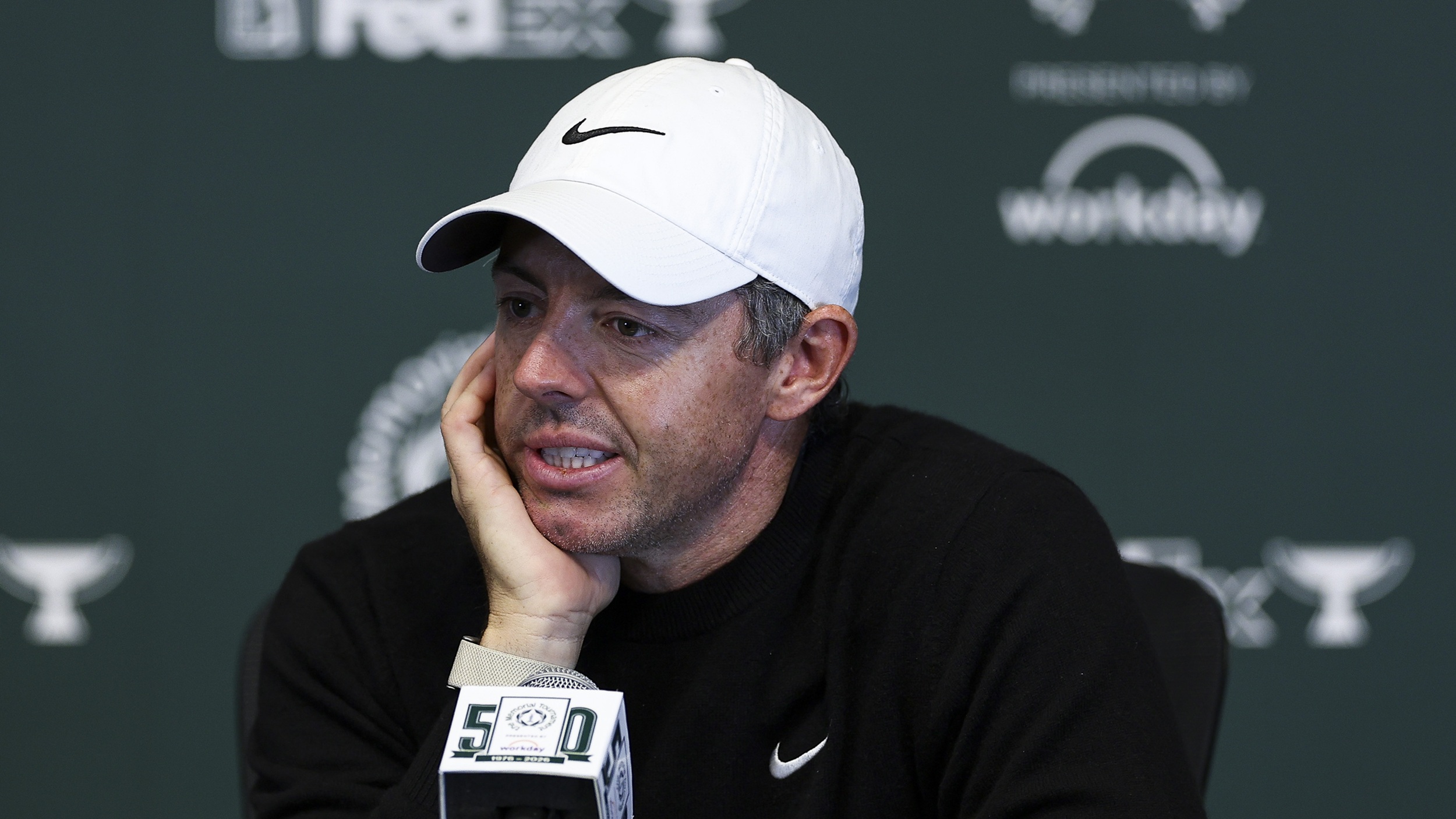
Image: Getty Images
If Rory McIlroy wants to play 18 to 20 events a year and keep picking his spots, the PGA Tour should say thank you for the honesty and move on.
Instead, golf keeps treating that kind of schedule like a possible scandal, or at least like a product concern that needs soft focus-group handling.
It is not.
According to Golf Monthly’s June 4, 2026 report from Memorial Tournament week, McIlroy said he feels “a bit like a part-timer,” plans to keep choosing his starts based on his own priorities, and is comfortable with that even if it hurts his chances in the FedExCup race. The same report said he would like his full-year total, including DP World Tour obligations, to land around 18 to 20 events.
This column is based on that June 4, 2026 reporting, checked on June 11, 2026. No pretending I got a private scheduling memo slid across the table at Muirfield Village.
The Tour’s Real Problem Is Not That Rory Plays Too Little
The Tour’s real problem is that it still wants too many weeks to feel equally important when they obviously are not.
That is why McIlroy’s comments are useful.
He is basically telling everyone, as plainly as possible, that even one of the biggest stars in the sport sees the calendar as something to manage selectively, not something to obey out of guilt.
That should not trigger panic. It should trigger clarity.
Fans do not need Rory to show up every possible week. Fans need the weeks he does show up to feel like they matter.
That is a schedule-design problem, not a Rory problem.
The Cadillac Championship at Doral was the clean spring example. The Tour brought back the Blue Monster as a $20 million no-cut Signature Event, but McIlroy, Matt Fitzpatrick, Xander Schauffele, and Ludvig Aberg were among the notable absences during a run of three Signature Events in four weeks between the Masters and PGA Championship. That was not one star disrespecting one tournament; it was evidence that the calendar was asking elite players to treat too many adjacent weeks as equally essential.
Eighteen to Twenty Starts Is Not Light Work in Modern Golf
Golf still has a weird habit of talking about reduced schedules like these guys are freeloading.
Come on.
If McIlroy is playing roughly 18 to 20 times across the PGA Tour, majors, and DP World Tour, that is not absence. That is a curated elite schedule for a player in his late-prime years who has already done the full treadmill version of this career.
And if the tradeoff is fewer random appearances but a better chance of getting a locked-in Rory at the biggest tournaments, that is a perfectly rational exchange.
We already said Rory skipping RBC Heritage was fine. This is the broader version of the same idea. Stars are not obligations machines. They are supposed to optimize for the moments that shape the season.
The FedExCup Should Not Be the Moral Center of a Superstar Schedule
McIlroy also reportedly said he understands this approach can make it harder to win the FedExCup.
Good.
That is the correct level of emotional investment in that tradeoff.
If the price of a more balanced life is lower odds in a season-long points race, that is a very adult bargain for a player to make. The Tour should not build its whole emotional argument around the idea that everyone needs to chase the same marathon title with the same intensity.
Some players will absolutely want that.
Some will not.
The schedule should survive both realities.
This Is Also a Quiet Rejection of Calendar Bloat
The more interesting part of McIlroy’s stance is what it implies about the future Track 1 model and the Tour’s constant temptation to solve everything by enlarging premium inventory.
More high-status events do not automatically create more meaning.
Sometimes they just spread the same attention thinner and ask the same stars to pretend every important week is equally important.
That is how you end up with a season where the labels are expensive but the identity still feels fuzzy, which is exactly the problem we already laid out in our column on why nobody really owns the 2026 PGA Tour season yet.
McIlroy’s answer is cleaner than the Tour’s answer.
He is basically saying:
- I know what number works for me
- I know I have earned the right to choose
- I am not going to fake urgency for every week just because the structure wants me to
That is not selfish. That is coherent.
The Tour Should Want More Stars to Be This Honest
The funniest part is that McIlroy is doing the Tour a favor here.
He is telling it what elite players actually value:
- flexibility
- family balance
- room to prep for majors properly
- enough competitive reps without feeling trapped by the calendar
If the Tour listens to that honestly, it can build something smarter.
If it ignores it and keeps chasing more required presence, it is just asking for a nicer version of the same argument later from somebody else.
Probably with worse PR attached.
Less Can Absolutely Be More if the Weeks Hit Harder
Nobody is saying stars should vanish.
I am saying a great golf season is not built by forcing every superstar into a bloated attendance spreadsheet. It is built by making the biggest events, the strongest venues, and the most direct competitive stakes feel undeniable when the best players arrive.
That is why Rory’s current stretch still works. He can manage his starts, then show up with real consequence attached, whether that is a major, a legacy venue, or the kind of week where his presence actually changes the shape of the conversation.
That is better than another background appearance everyone forgets by Monday.
Bottom Line
Rory McIlroy saying on June 4, 2026 that he wants to keep picking his spots and playing around 18 to 20 events a year should not be treated like a warning sign for the PGA Tour.
It should be treated like a lesson.
The best players do not need more mandatory weeks. The Tour needs more weeks that genuinely deserve them.
Related Articles