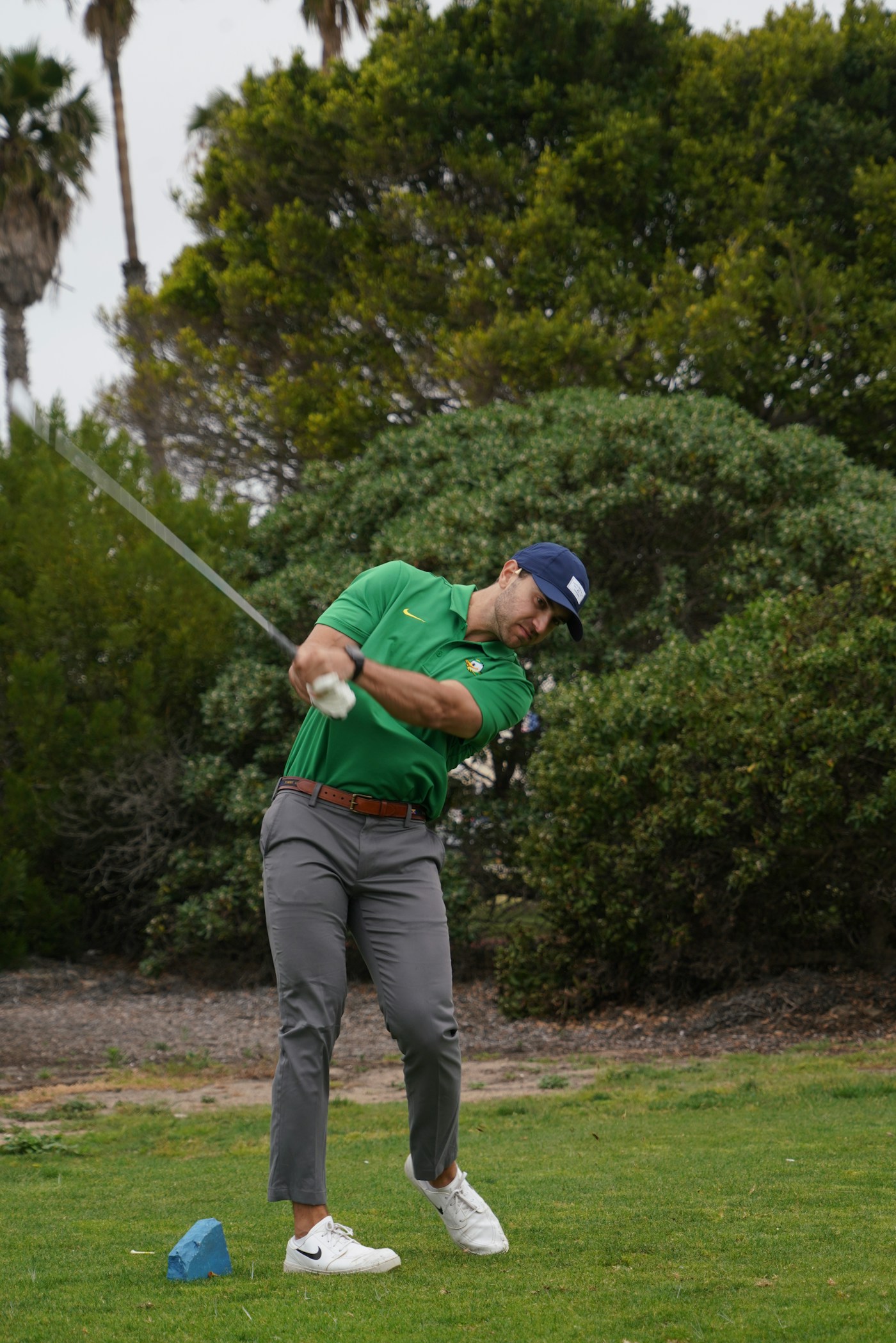
How to Hit a Punch Shot in Golf: The Low-Bullet Escape That Saves Stupid Doubles
A proper punch shot is not a panicked half-swing. Here's the setup, ball position, club choice, and three drills that help you flight it low and get back in play.

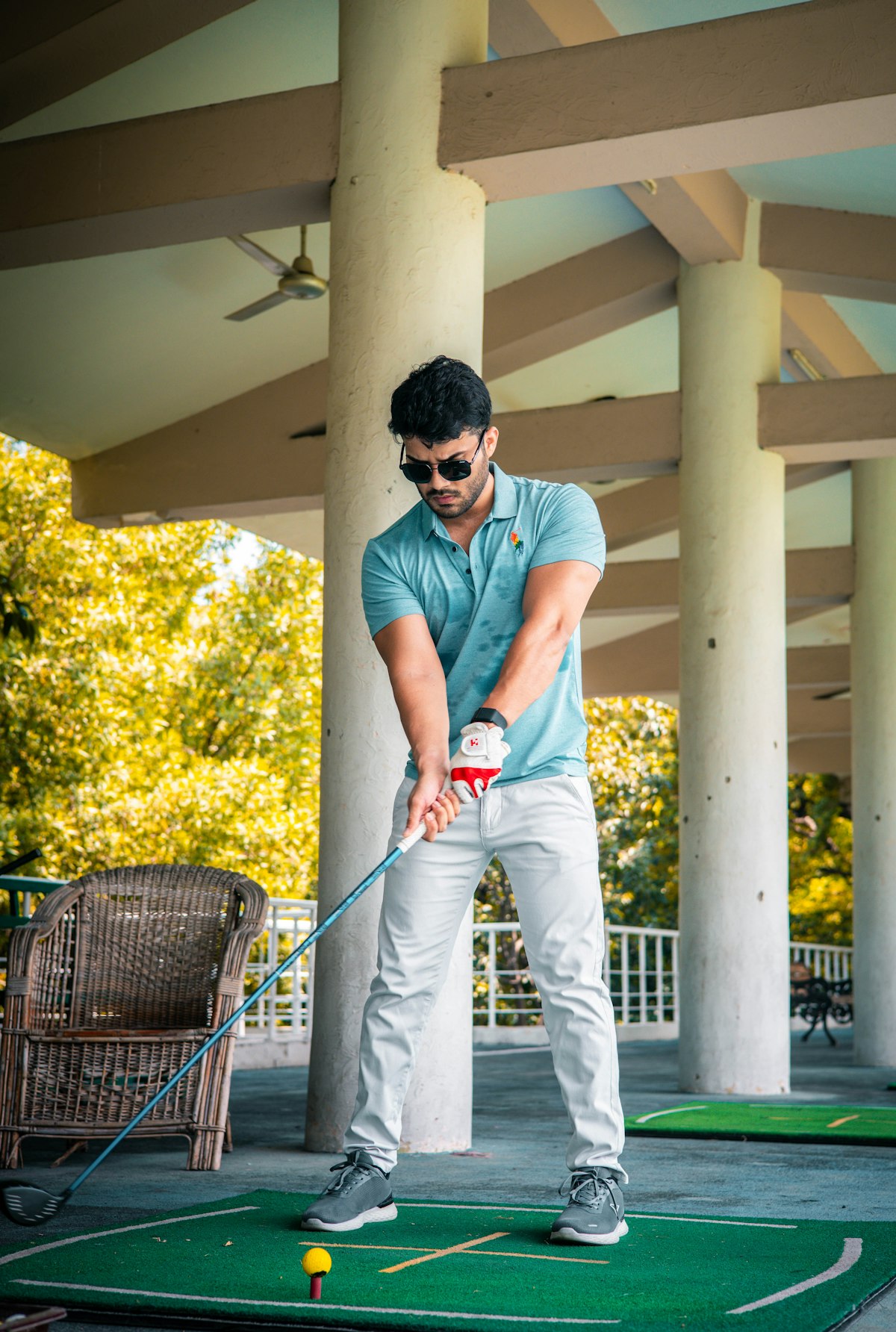
The punch shot gets screwed up by one dumb idea more than anything else.
Golfers think it is some kind of miracle escape swing.
It is not.
A good punch shot is just a shorter, lower, controlled shot with less loft, less follow-through, and way less ego. If you are under trees, into the wind, or trying to get the ball back in play without doing something heroic and idiotic, this is the shot.
If the bigger issue is choosing the right escape instead of just hitting the shot, pair this with our recovery-shot strategy guide. The mechanics only matter after the decision makes sense.
And yes, it should feel a little boring. That is the point.
What a Punch Shot Is Actually Supposed to Do
A punch shot should do three things:
- Launch lower than your stock shot
- Curve less than your normal full swing
- Advance the ball safely to a spot where your next shot is not a disaster
That last one matters most.
This is not a shot for flag-hunting. This is a shot for fixing your mistake without compounding it into a whole new episode.
The Basic Setup
If you only remember four things, remember these:
- Put the ball 1 to 2 balls back of center
- Grip down 1 to 2 inches
- Start with 60 percent pressure on your lead foot
- Finish with your hands below shoulder height
That is the skeleton of the shot.
The lower ball position helps reduce launch. Choking down gives you more control. Slightly forward pressure keeps you from hanging back and trying to scoop it. And the shorter finish stops you from accidentally turning a punch shot into a full swing with an identity crisis.
Best Clubs for the Job
The smartest punch-shot clubs are usually:
- 5-iron to 8-iron for most full-ish punch shots
- 9-iron or PW for short low runners
- Hybrid only if you have a ton of room and really trust it
My bias is simple: use the most lofted club that still keeps the ball under the trouble.
That is the part amateurs screw up all the time. They grab a 4-iron because “low” sounds cool, then smoke a line-drive missile that runs through the fairway, into more trees, and now they are solving a second problem.
If a 7-iron clears the branch line, hit the damn 7-iron.
The Swing Thought That Actually Works
Do not try to “keep it low” by stabbing down on it or freezing your wrists.
That usually creates one of two ugly shots:
- a thin rocket that never gets more than 12 feet off the ground
- a heavy mess that moves 41 yards and ruins your mood
The better feel is this:
Chest turns, hands stay quiet, finish short.
That gives you enough rotation to hit it solid, but not so much speed and loft that the ball jumps up into the branches.
Think three-quarter backswing, half finish.
A Simple Punch-Shot Formula
Use this when you need something repeatable:
- Pick a landing window, not a hero target
- Take one extra club from what the distance suggests
- Move the ball back slightly
- Make a 70 percent swing
- Hold the finish below your shoulders
If the shot normally calls for a stock 8-iron, the punch version is often a controlled 7 or soft 6 depending on wind, lie, and how much rollout you want.
Low shots trade height for run. Respect that trade.
When to Use It
The punch shot is useful in four situations:
1. Under Tree Branches
The obvious one. Keep it below the limbs, get it back in position, move on with your life.
2. Into a Strong Headwind
When the wind is howling, this is often smarter than trying to hit your normal stock shot higher and pretending physics will be polite. Pair this with the ideas in how to play golf in the wind and you instantly become less dumb on breezy days.
3. Out of Light Trouble
Pine straw, first cut, a sketchy lie where you still have a path forward. A punch shot keeps the swing compact and reduces the chance of one wild flyer or flip-hook.
4. To the Fat Side When You Need Pars, Not Applause
This is just course management wearing a lower ball flight.
The 3 Drills That Make This Shot Real
Most golfers never practice punch shots until they are already in jail on the course. That is dumb. Here are three easy drills.
Drill 1: The Waist-High Finish Drill
Goal: Learn how short the finish should feel.
- Grab a 7-iron
- Set the ball one ball back of center
- Hit 10 shots with the rule that your hands cannot finish above your chest
- Track how many start low and stay under an imaginary branch line
If 7 out of 10 launch low and solid, you are in business.
Drill 2: The Rope Window Drill
Goal: Control launch.
At the range, imagine a branch or rope window about 8 to 12 feet high roughly 20 yards in front of you.
- Hit 5 shots with an 8-iron
- Hit 5 shots with a 7-iron
- Hit 5 shots with a 6-iron
Figure out the lowest club you can control without turning the shot into chaos. That becomes your on-course comfort zone.
Drill 3: The 3-Landing-Spot Drill
Goal: Stop blasting low shots too far.
Pick three landing zones, roughly:
- 80 yards
- 110 yards
- 140 yards
Use one club, usually a 7-iron, and change only swing length.
This teaches the real skill, controlling trajectory and distance. Anybody can hit a low bullet. The trick is hitting one that finishes somewhere useful.
The Mistakes That Kill Punch Shots
Trying to Help It Up
If you hang back or scoop, you are done. The club adds loft, the ball pops, and now you are ricocheting branches like a cartoon.
Taking Too Little Club
Low shots fly lower and run more, but they also lose some carry. If you take your normal club and just bunt it, you often come up short.
Swinging Too Hard
A hard punch shot usually turns into a weird full swing with panic built in. Smooth and compact beats violent every time.
Picking a Hero Line
This is the biggest one.
If the window is tiny and the reward is mediocre, stop pretending you are on Tour. Just hit it back to safety and try again from the fairway.
That is how you break 90 for real and eventually break 80. Not with forest magic.
A Quick Decision Rule
Before you hit a punch shot, ask:
- Can I keep it below the trouble with a 6, 7, or 8-iron?
- Do I have enough ground for rollout?
- Am I advancing the ball to a useful place, or just to a place that looks brave?
If the answer to the last one is “it mostly looks brave,” choose a safer target.
Bottom Line
A punch shot is not sexy, and that is exactly why it works.
- Ball back a touch
- Grip down
- Pressure slightly forward
- One extra club
- Short finish
- Pick the boring target
Hit enough of these in practice, and tree trouble stops feeling like a death sentence.
It becomes what it should have been all along, a damage-control shot that keeps stupid doubles off the card.
Related Articles