Callaway's Chrome Tour Triple Diamond Is a Good Sign for Golf-Ball Fitting
The new Chrome Tour Triple Diamond is not interesting just because it's new. It's interesting because premium golf-ball fitting is finally admitting that faster players do not all need the same thing.

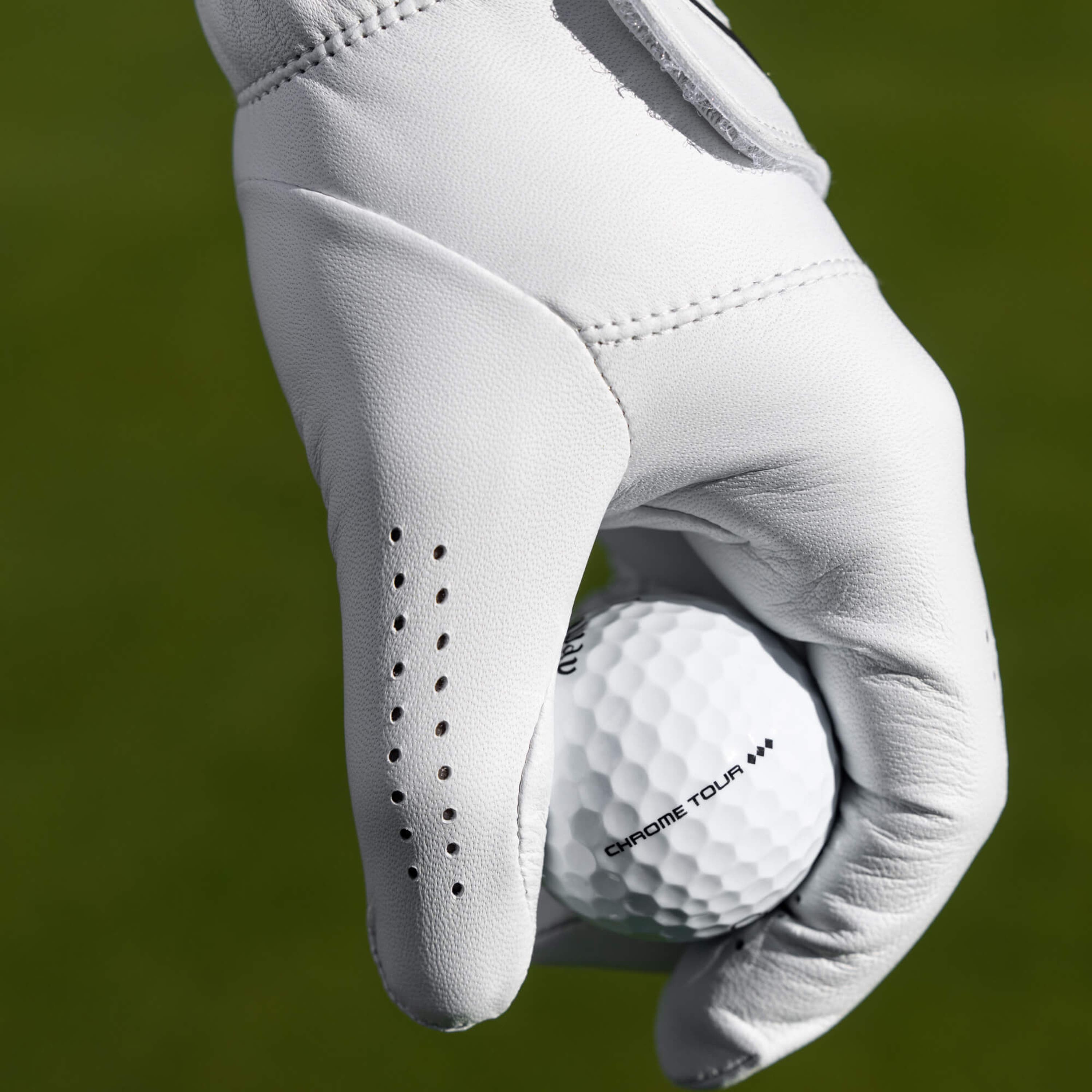
Image: Callaway Golf
Golf-ball marketing has spent years pretending that “tour ball” is one clean category.
It is not.
That is why I like the idea behind Callaway’s new Chrome Tour Triple Diamond more than I like most launch-week nonsense. The ball itself may or may not end up being your thing, but the logic behind it is healthy: faster players do not all need the same flight, spin, or feel profile.
That sounds obvious. Golf companies have still spent forever acting like it is revolutionary.
This piece is based on Callaway’s April 24 launch details and current product positioning, not personal product testing or imaginary robot numbers. If you want the hard-news version first, read our launch coverage of the Chrome Tour Triple Diamond.
The old “tour ball” pitch was always too neat
For a long time, premium-ball shopping got flattened into a dumb little status ladder.
Cheap balls were for hackers. Tour balls were for better players. And once you crossed into the “good golfer” bucket, the industry kind of implied you should just pick a flagship model, squint at the logo, and stop asking questions.
That was always lazy.
Two players can both swing hard and still need very different things:
- one launches it too high
- one launches it too low
- one needs less spin off full shots
- one needs more stopping help on scoring clubs
- one loves a firmer click
- one hates feeling like they are chipping with a marble
Pretending those golfers should all play the same premium ball never made much sense.
Triple Diamond matters because the fit is specific
Callaway is pitching the Chrome Tour Triple Diamond toward golfers who want:
- a more penetrating flight
- lower spin on full shots
- a slightly firmer feel
Good. That is useful language.
Not because every golfer should now sprint toward the latest shiny thing, but because it makes the premium-ball conversation more honest. It tells golfers, pretty clearly, that there is a distinct performance lane here.
That is better than the usual “more distance, more control, more feel, more everything” miracle-brochure garbage.
This is good for regular golfers too
The funniest part of tour-ball launches is how often normal golfers think they are not relevant until they absolutely are.
No, most weekend players do not need to obsess over microscopic Tour-level differences.
But a more segmented premium-ball market still helps regular golfers because it forces better questions:
- Do you already hit it high enough?
- Do your full shots spin too much?
- Are you buying for feel, flight, or both?
- Are you choosing a ball because it fits your game, or because you saw a staff player win with it on Sunday?
Those are useful questions at every handicap.
Even if the answer ends up being, “I should probably buy the cheaper urethane ball and stop pretending I need a Tour van in my bag.”
That would still count as progress.
The danger is making the lineup too stupid
There is one obvious risk here.
When companies add more and more premium-ball branches, they can absolutely wander into product-tree nonsense. At some point, golfers do not need seventeen sleeves that differ by half a whisper of launch, one click of feel, and a six-word marketing paragraph.
That is where fitting gets worse instead of better.
The goal should be clearer lanes, not more confusing shelves.
So I like the Triple Diamond idea as long as the message stays simple:
- this is the flatter-flight option
- this is the lower-full-shot-spin option
- this is for the faster player who wants firmer feedback
If the story stays that clean, great.
If it turns into one more excuse to bury golfers in tiny differences and bigger prices, then yeah, we can all roll our eyes together.
My take
The best thing about Chrome Tour Triple Diamond is not that it exists. It is that it signals a healthier direction for premium-ball fitting.
Golf-ball selection should be more like club fitting and less like picking a favorite beer can. You should care about flight, spin, feel, and fit. You should be allowed to say, “I am a pretty good player, but that does not mean the same ball as every other pretty good player.”
That is the part the industry is finally starting to admit out loud.
And honestly, it took long enough.
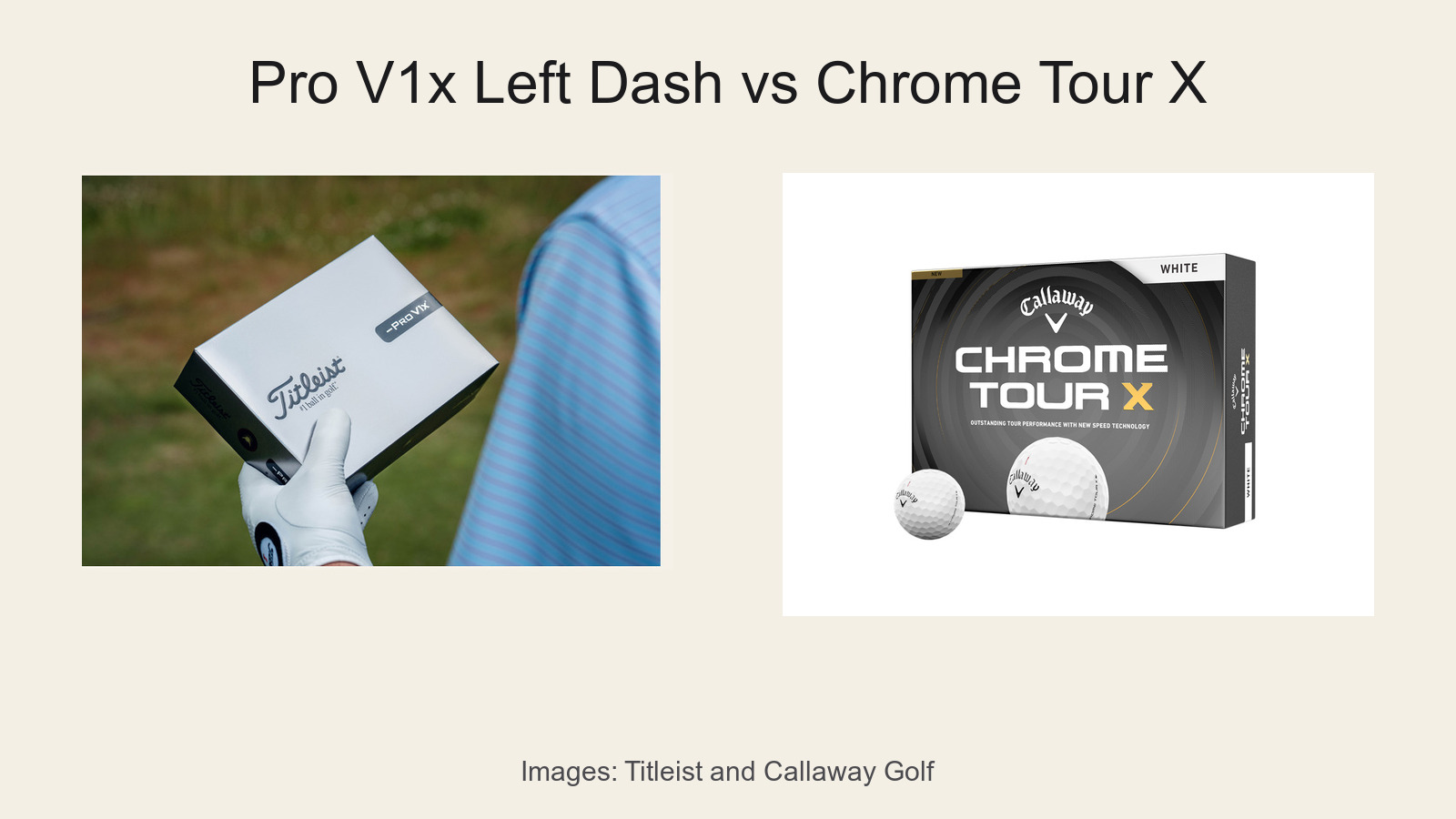
For more ball context, read Pro V1 vs Pro V1x, Pro V1x vs Chrome Tour X, the new cross-brand low-spin fork in Chrome Tour Triple Diamond vs Pro V1x Left Dash, Callaway Chrome Soft X review, and the broader buyer’s-guide version in Best Golf Balls 2026.
Related Articles