Callaway's New Quantum Mini Driver and Ti Fairways Tell You Exactly Where Metalwoods Are Going
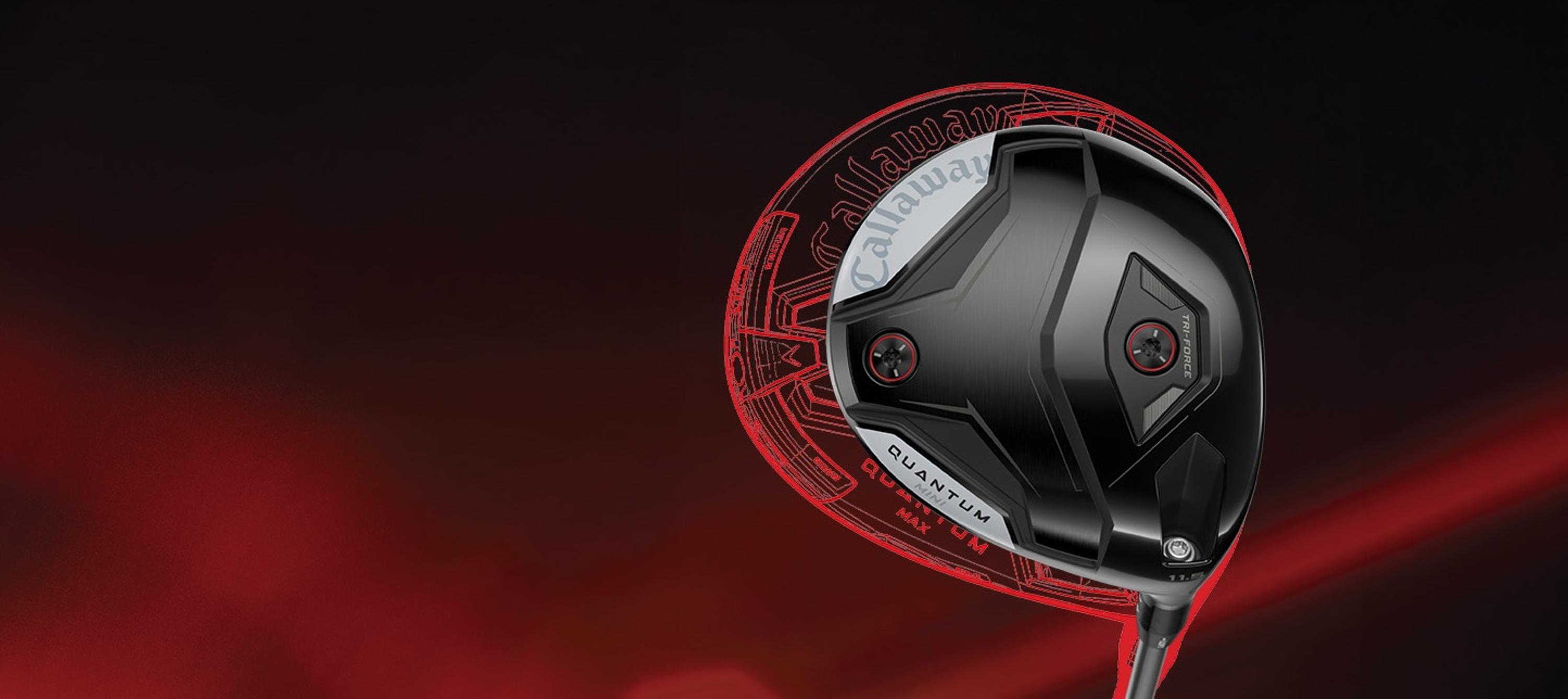
Callaway officially announced the Quantum Mini Driver and Quantum Ti Fairway Woods on April 15, with both products set to hit retail on April 29. The bigger story is what this says about the modern top-of-the-bag arms race.

Callaway did not just announce two more clubs on April 15. It basically waved a giant flag over the entire metalwoods category and said, “Yeah, we’re leaning all the way into this now.”
The company officially introduced the new Quantum Mini Driver and Quantum Ti Fairway Woods this week, with retail availability set for April 29. Both pieces sit at $549.99, which is a pretty direct reminder that premium top-of-the-bag golf gear has fully abandoned any lingering shame about pricing.
Still, this is a meaningful launch. Not because every new club release is meaningful. Most aren’t. This one matters because it shows exactly where the market is heading: more niche shapes, more adjustability, and way more effort to blur the line between “tee club” and “fairway club.”
What Callaway Actually Confirmed
Here is the clean version from Callaway’s announcement, without pretending we’ve already hit these things ourselves.
- The Quantum Mini Driver is available in 11.5 and 13.5 degrees
- It is positioned as a fairway-finder or 3-wood alternative
- It uses a Tri-Force Face, Step Sole Design, front-to-back weighting, and the OptiFit 4 hosel
- The Quantum Ti Fairway Woods use a full titanium construction
- The Ti fairways also add heel-toe weighting plus independent loft and lie adjustability
- Both product lines are scheduled to begin shipping at retail on April 29, 2026
That is a pretty aggressive spec sheet for clubs that, ten years ago, would have been treated like weird side-projects for gear sickos and Tour van tinkerers.
Now they are front-and-center product stories.
The Mini Driver Is No Longer a Novelty
This is the real takeaway.
Mini drivers used to live in that awkward equipment corner reserved for golfers who either:
- absolutely nuked driver but wanted a backup plan, or
- loved collecting clubs that felt cooler in theory than they were useful on actual golf courses
That is not the category anymore.
Callaway is selling the Quantum Mini as a legit top-of-the-bag decision, not a curiosity. The pitch is simple enough to work: more control than a full driver, more ball speed than a fairway wood, and enough versatility to be useful off the turf when the hole actually asks for it.
That is why this launch matters beyond one brand. When a major OEM keeps investing in mini-driver design instead of treating it like a one-off, that tells you golfers are actually buying into the idea.
And honestly, that tracks. Plenty of players do not need more raw driver speed. They need a club that keeps them from turning a narrow par 4 into a police report.
The Ti Fairway Is the Premium Part of the Story
The mini driver will get the most conversation because golfers love anything that sounds slightly rebellious. The Quantum Ti fairway might be the more revealing club.
Callaway is framing it as the company’s most advanced fairway wood, with a full titanium build that blends the forgiveness of its Max-style shaping with some of the better-player DNA associated with Triple Diamond gear.
That is equipment-company language, sure, but the important part is still clear: Callaway wants a fairway wood that feels premium enough to justify a flagship price and flexible enough to appeal to a surprisingly wide band of golfers.
That matters because fairway woods have quietly become one of the trickiest buying decisions in the bag.
A lot of golfers can survive a mediocre driver fit. They cannot survive a useless 3-wood. If your fairway wood is too spinny, too flat, too hard off the deck, or too sketchy from the tee, it becomes decorative.
So when companies start throwing full titanium construction, movable weighting, and more adjustability at the category, that is not random. It means the fairway wood market is getting more serious.
The Bigger Trend Is More Interesting Than the Clubs Themselves
This is where Callaway’s launch gets bigger than Callaway.
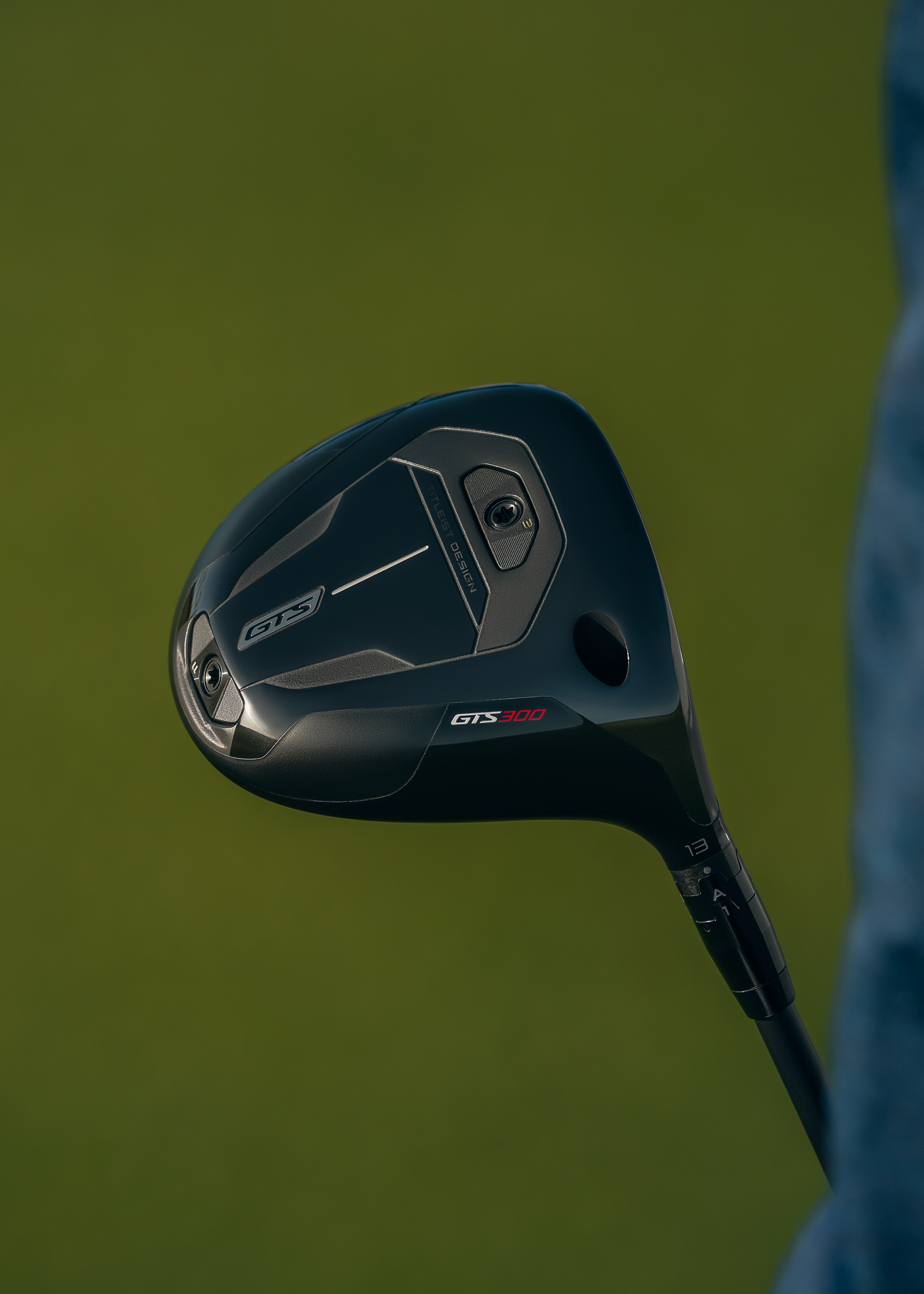
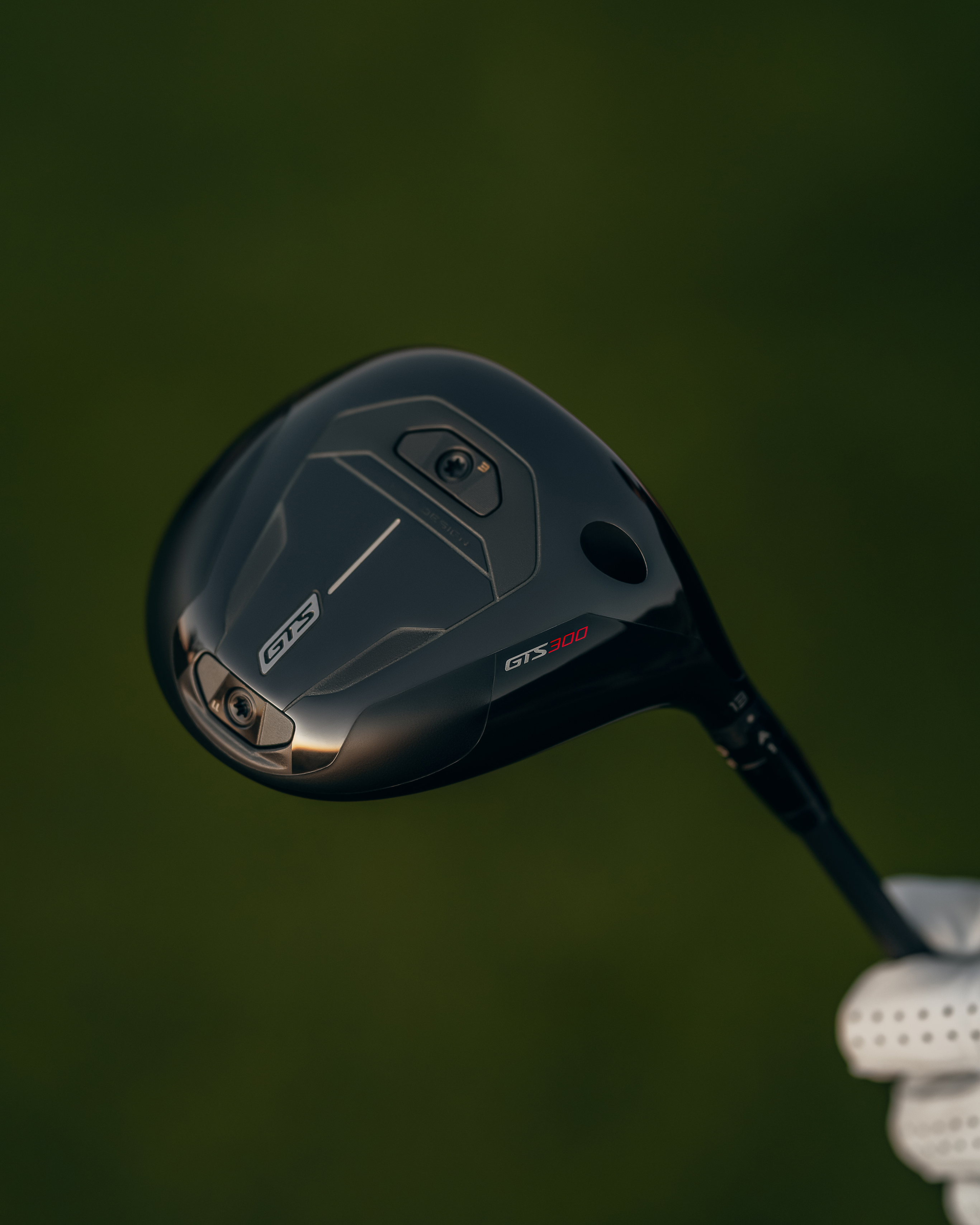
We already saw Titleist push new GTS fairway woods into Tour circulation this month. TaylorMade has kept leaning into the “specialized metalwood for specific launch windows” mindset for years. Ping and Cobra have both spent the last few cycles chasing more fit-specific top-end options instead of one-size-fits-most stories.
That is the real trend.
The top of the bag is splintering.
Golf companies increasingly believe players want more distinct jobs assigned to each club:
- one club for maximum tee speed
- one for controlled tee shots
- one for launch from the turf
- one for a specific gapping window
That creates more fitting complexity, yes. It also creates more genuine choice than the old setup where everyone kind of pretended a 15-degree fairway wood worked the same for every golfer on earth.
It does not.
Should Regular Golfers Care Yet?
Yes, but with limits.
You should care in the “watch this category closely” sense, not the “panic-buy on launch day” sense.
If you already fight driver dispersion, or if your current 3-wood is basically a punishment device, this kind of launch is relevant. It signals that manufacturers are putting real engineering resources into solving a problem a lot of golfers actually have.
If your current setup works, relax. Unreleased or newly released gear is not automatically better just because it has fresh names and a four-figure combined checkout total.
But if you are planning a fitting soon, the new Callaway pieces deserve a spot on the board right alongside recent options from Titleist, TaylorMade, and Ping.
That is the level this category is operating at now.
Bottom Line
The Callaway Quantum Mini Driver and Quantum Ti Fairway Woods are not important because they exist. They are important because they show where equipment companies think golfers are headed.
Toward more specialized metalwoods. Toward more adjustability. Toward top-of-the-bag setups that look less standardized and more custom.
That part is real.
Whether these specific clubs become category leaders will depend on how they actually perform once golfers get them in hand. But as a launch signal, this one is loud.
If you want to keep the broader metalwoods picture straight, read our breakdown of Titleist’s new GTS fairway rollout, our look at Titleist’s GTS driver family, and our current buyer’s-guide view in the best drivers of 2026.
Image: Callaway Golf
Related Articles