Callaway Opus Wedge Review: The Smart Spin Play for Golfers Who Do Not Need a $200 Flex
The Callaway Opus Brushed Chrome wedge brings Spin Gen Face tech, four useful grinds, and a broad loft matrix at a lower price than the flashier premium wedge crowd. Here is the research-based verdict.

Quick Buyer Shortlist
Best places to start
Affiliate links may earn us a commission. Amazon links open search results; verify the model, seller, and current price.
Callaway Opus Brushed Chrome Wedge
Quick Verdict
✅ Pros
- + Spin Gen Face setup gives the Opus a legit spin-and-control story, not a fake one
- + Broad loft range from 48 to 60 degrees covers real-world wedge setups
- + S, W, C, and T grinds make the lineup easier to shop than some rivals
- + Current official pricing gives it a strong value lane against premium wedges
- + Tour-shaped head looks clean without getting punishingly tiny
❌ Cons
- − Still not as deep a fitting matrix as Vokey SM11
- − Golfers wanting maximum built-in help may be better off in a CBX-style wedge
- − The cheaper price is partly because it skips the extra-material story of Opus Platinum
There are two bad ways to shop for wedges.
The first is buying the cheapest thing with grooves and pretending all wedges are basically the same.
The second is spending two hundred bucks per club because the headcover crowd told you that if your partial shots still stink, the answer is definitely a more expensive forged chunk of metal.
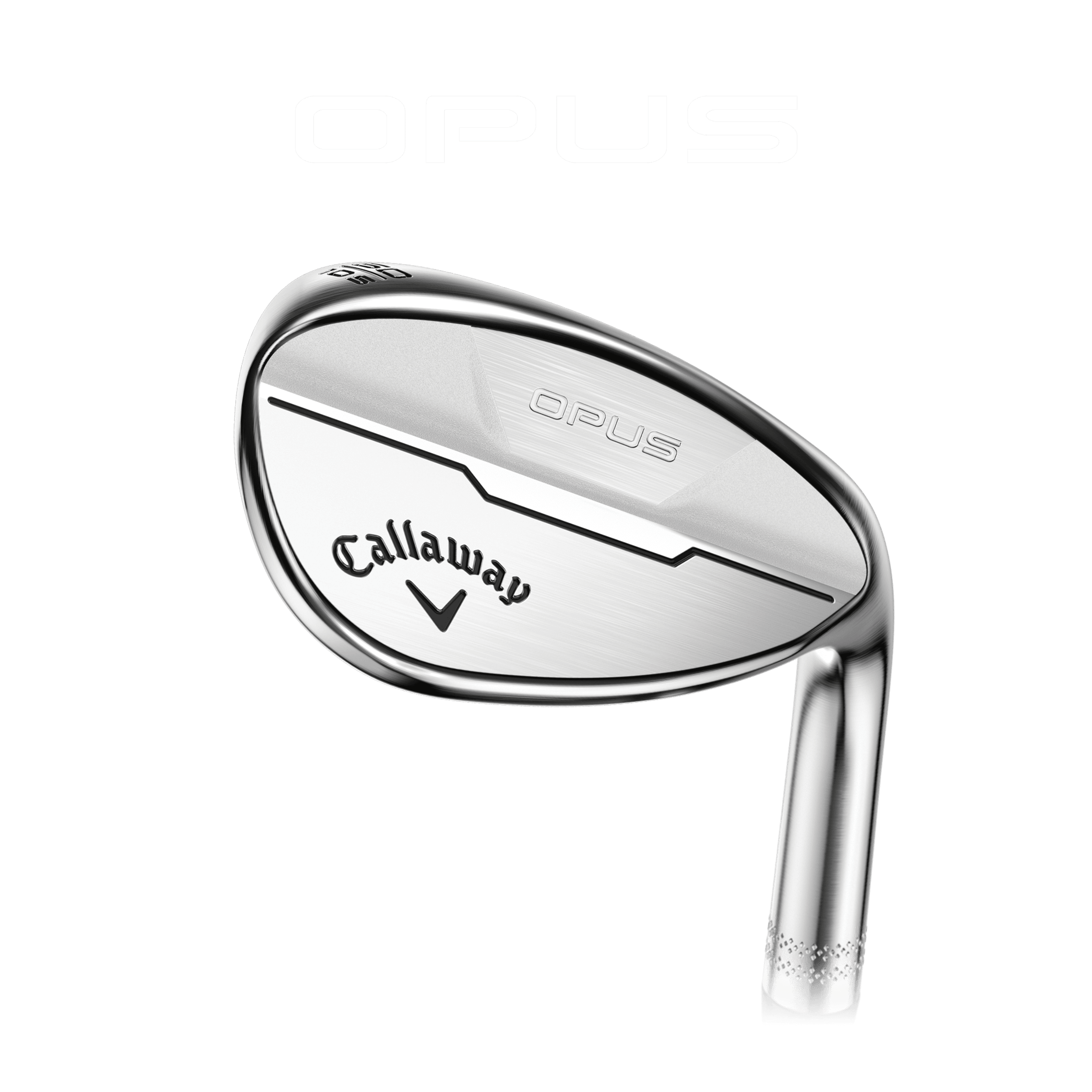
The Callaway Opus Brushed Chrome wedge sits in the more sensible middle. Based on Callaway’s published specs, current pricing, and the way golfer feedback has landed around this line, Opus looks like the smartest wedge in Callaway’s current family for a lot of normal golfers. Not the flashiest. Not the most boutique. Just the one that makes the most practical sense.
If you want the short version: the Opus is a strong buy for golfers who want real spin tech, useful grind options, and a cleaner player’s look without immediately paying Vokey SM11 or Opus Platinum money.
Quick Verdict
As of April 24, 2026, Callaway’s official site had the Opus Brushed Chrome wedge listed at $149.99, while the Opus Platinum Chrome sat at $199.99 and the Vokey SM11 started at $199.00.
That price gap matters because the standard Opus still gives you the tech most golfers actually care about:
- a modern spin package
- a broad loft matrix
- four easy-to-understand grind families
- a tour-shaped head that does not look goofy behind the ball
If you are shopping wedges without a full custom fitting session on standby, the Opus is one of the cleaner decisions in the category.
What Callaway Actually Built Here
Callaway’s pitch for the Opus line centers on Spin Gen Face Technology, and this is one of the rare marketing names that at least points to something concrete.
The published setup combines:
- a tighter groove pitch
- an offset groove-in-groove pattern in 54 through 60 degree lofts
- a more aggressive face blast for extra bite on partial shots
That is the right trio to emphasize because wedge buyers do not need another lecture about “speed.” They need the club to launch in a controlled window, grab enough on half-shots, and stop embarrassing them on wet or sketchy greenside lies.
Callaway also gave the Opus a tour-certified shape, which in plain English means:
- higher toe peak
- smoother hosel transition
- leading-edge shaping that looks more natural at address
That matters more than people admit. Wedges are feel clubs, but setup comfort is a big part of feel. A wedge can have all the groove tech in the world and still be annoying if it does not sit in a way that makes sense to your eye.
The Real Selling Point: The Lineup Is Broad Without Being Annoying
This is where the Opus gets smart.
The standard Opus line covers 48 through 60 degrees and offers S, W, C, and T grinds. That is a healthy middle ground between “here are two options, good luck” and “congratulations, you now need a spreadsheet to buy a sand wedge.”
The grind story is especially good for golfers who are trying to make adult wedge decisions for the first time:
- S grind is the safe all-around option
- W grind is the friendlier, fuller-sole play
- C grind gives you more greenside versatility
- T grind is the sharper, lower-bounce shotmaker option
That is enough variety to cover most real-world players without forcing you to become a turf-interaction scholar overnight.
If you want a broader category map before locking anything in, start with Best Wedges 2026 and Best Wedges for High Handicappers 2026. Those two guides do a good job of separating “I want more forgiveness” from “I want more spin and control.”
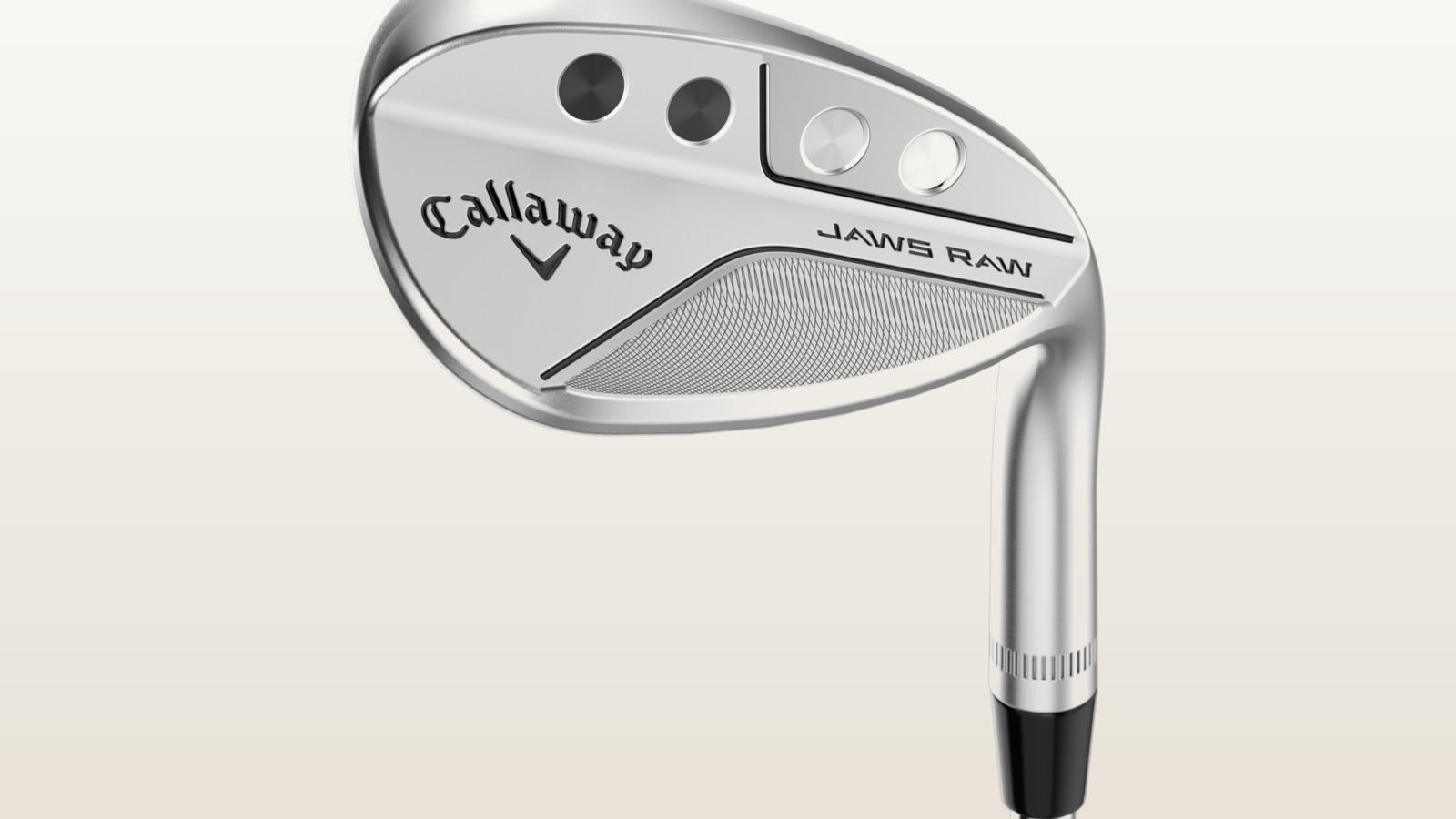
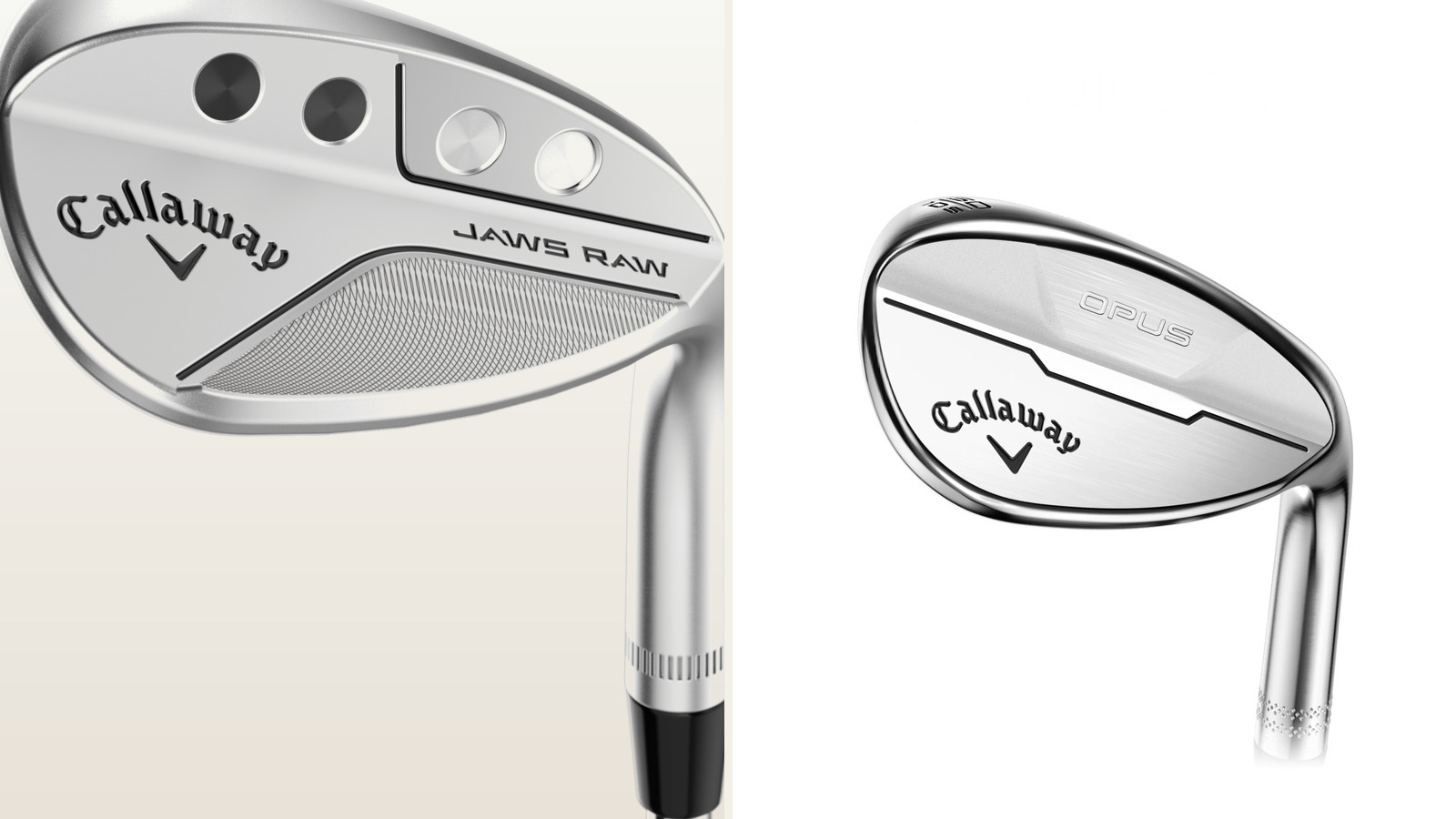
If your actual fork is whether the current-model Opus is smarter than Callaway’s now-cheap older premium line, read Callaway Jaws Raw vs Callaway Opus next. If your actual fork is “forgiving cavity-back help versus cleaner players-wedge shape,” read Cleveland CBX4 ZipCore vs Callaway Opus after that. If the comparison in your head is cheaper current-model spin value versus Mizuno’s newer forged-feel premium branch, the direct answer is now Mizuno Pro T-1 vs Callaway Opus.
Where the Opus Looks Especially Smart
The Opus makes the strongest case for three groups.
1. Golfers moving up from game-improvement wedges
If you have been living in the world of oversized, ultra-helpful wedges and want something cleaner without jumping all the way into “tiny tour punishment device” territory, the Opus is a solid bridge.
It looks serious, but the lineup still includes friendlier sole options. You are not locked into the kind of wedge that assumes you practice flop shots more than you actually do.
2. Mid-handicappers who want better scoring tools without boutique pricing
This is probably the Opus sweet spot.
The golfer who shoots in the 80s or low 90s, likes decent feel, wants more control inside 100 yards, and is tired of pretending wedge shopping should feel like a graduate seminar? That golfer is going to understand the Opus immediately.
3. Buyers who care about value in a premium-looking club
At $149.99 on Callaway’s official site when checked on April 24, 2026, the Opus undercuts several headline wedges while still offering a strong feature set.
That does not make it cheap. It just makes it less ridiculous.
Where the Opus Gives Up Ground
The Opus is easy to like, but there are still a few honest caveats.
It does not match the Vokey SM11 fitting matrix
This is the biggest one.
The Vokey SM11 lineup is still deeper if you are the type who wants exact loft, bounce, and grind combinations dialed to the decimal. Titleist gives obsessive wedge shoppers more ways to get weird, and for some players that is a real advantage.
If your whole wedge identity is built around having the exact sole for every turf condition and shot shape, Vokey still owns the premium-control lane.
It is not the most forgiving wedge class
The Opus has a broad lineup, but it is still a more traditional wedge family than something like Cleveland’s CBX line.
If your miss is fat, if bunker shots still feel like a hostage situation, or if you want the club doing as much work as possible, a more forgiving wedge philosophy may still be the better move. That is exactly why Cleveland CBX4 vs Callaway Jaws Raw is still a useful read.
It is also why the newer Cleveland CBX4 vs Callaway Opus comparison matters. That is the more current version of the same high-handicapper-versus-players-wedge fork.
The premium-premium materials live in Opus Platinum
The regular Opus does not get the MiM-and-tungsten story from Opus Platinum.
That is fine for most golfers. But if you are specifically shopping for the most refined feel story in Callaway’s lineup and do not care about paying more, Platinum is the fancier option.
Opus vs Opus Platinum: Which Callaway Wedge Should You Actually Care About?
The answer is simpler than Callaway’s product stack wants it to sound.
Opus Platinum is for the golfer who wants:
- lower-launch control language
- MiM construction
- bonded tungsten in the topline
- a more premium-feeling materials pitch
Standard Opus is for the golfer who wants:
- the broader loft range
- more accessible pricing
- plenty of spin tech already
- the version that makes sense for a normal three-wedge or four-wedge setup
If I were steering a typical Birdie Report reader, I would start with the standard Opus first and only move to Platinum if the fitting outcome clearly pointed there.
Callaway Opus vs Vokey SM11
This is the comparison most serious wedge shoppers are going to make, and it is a real one now that Vokey SM11 is the current Titleist line.
The quick version:
- Vokey SM11 has the deeper configuration story and the stronger prestige play
- Callaway Opus has the easier value case and a cleaner “buy this without overthinking it” appeal
We broke that out in full in Callaway Opus vs Titleist Vokey SM11.
If the newer Vokey price still feels dumb but the older Vokey number is getting tempting, the new Callaway Opus vs Titleist Vokey SM10 page is the better next step.
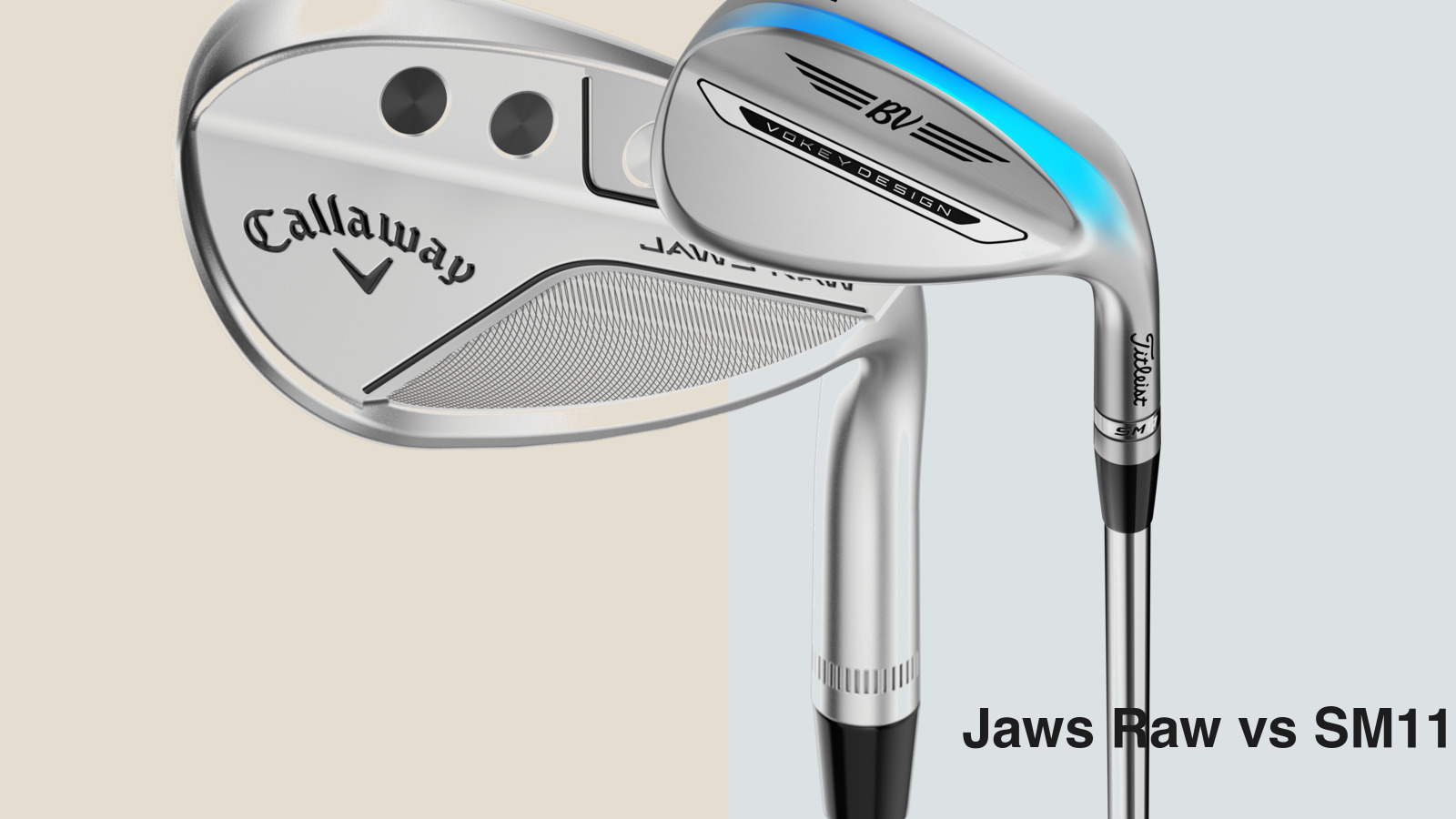
If your real question is whether you should skip the current-wedge lane entirely and buy the discounted older Callaway spin play instead, read the new Callaway Jaws Raw wedge review and the direct Callaway Jaws Raw vs Titleist Vokey SM11 comparison. If the better current-model fork is Callaway’s practical price-versus-forged-feel fight, go straight to Mizuno Pro T-1 vs Callaway Opus.
If Vokey is not the comparison you actually need and your real issue is whether to buy a forgiving cavity-back wedge instead, go to Cleveland CBX4 ZipCore vs Callaway Opus.
Who Should Buy the Callaway Opus
Buy the Callaway Opus if:
- you want a modern tour-shaped wedge without paying top-shelf wedge tax
- you care about spin and partial-shot control more than brand flex
- you want enough grind choice to fit your game without needing a full dissertation
- you are building a real wedge setup from 48 to 60 degrees
Check Callaway Opus prices on Amazon
Who Should Skip It
Skip the Callaway Opus if:
- you want maximum forgiveness before anything else
- you already know you need the deeper Vokey grind matrix
- you are specifically chasing the fancier material story of Opus Platinum
If that sounds like you, read Vokey SM10 vs Cleveland RTX 6 ZipCore, Titleist Vokey SM10 review, and Pitch Shot Distance Control. A wedge that fits your shot pattern is worth more than a wedge with the flashiest launch copy.
Final Verdict
The Callaway Opus is not the most prestigious wedge buy in 2026.
It might be the smarter one.
At the current official price, with the current loft-and-grind coverage, and with Spin Gen Face tech doing the heavy lifting of the story, the Opus hits a useful lane between budget compromise and premium nonsense.
If you are the kind of golfer who wants a wedge that looks proper, offers enough fit options, and does not require a trust fund per loft, the Opus is a very easy recommendation.
Rating: 9.0/10
Image: Callaway Golf
The Birdie Report earns a commission on purchases made through affiliate links. That never changes the call. If a more expensive wedge is not the smarter buy, we are not going to pretend otherwise.
🛍️ Where to Buy
Callaway Opus Brushed Chrome Wedge
Search current options at Amazon
*We earn a small commission if you purchase through these links, at no extra cost to you.
Related Articles