Brooks Koepka Says the Hand Is 'Good Enough' for Shinnecock, and That Makes This U.S. Open More Interesting
Reporting published June 17 and checked June 18 says Brooks Koepka's grip strength is not all the way back after the hand issue that forced him out of the RBC Canadian Open, but he still believes it is good enough to chase another U.S. Open run at Shinnecock.

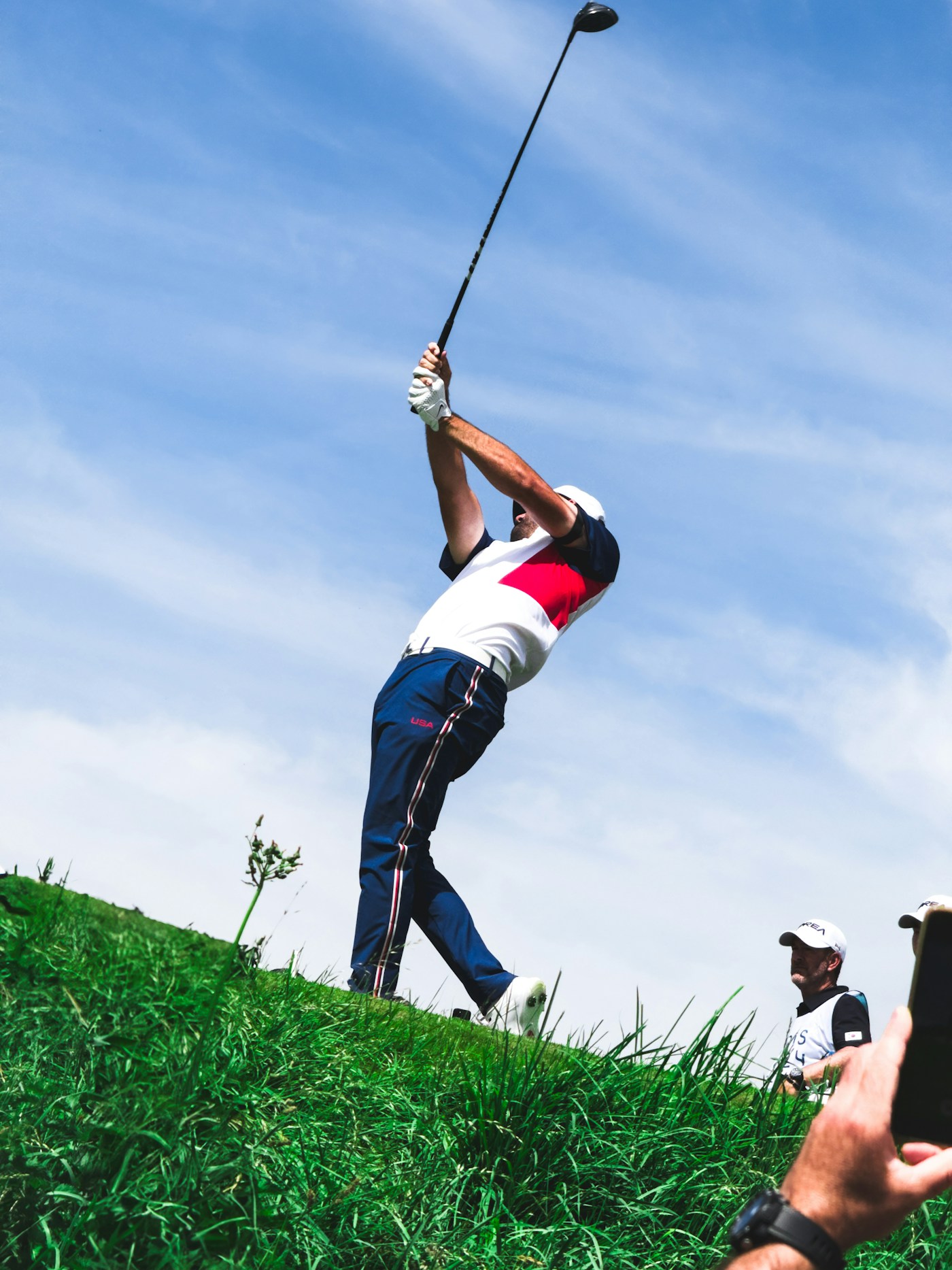
Image: Birdie Report
Brooks Koepka did not show up at Shinnecock Hills pretending everything is perfect.
Reporting published by Golf Monthly on June 17, 2026 and checked again on June 18 says Koepka told reporters his grip strength is still not 100 percent after the hand issue that forced him to withdraw from the RBC Canadian Open, but he also said it is still “good enough” and that he has no pain. That matters because the 2026 U.S. Open starts Thursday, June 18 at the same course where Koepka won in 2018.
That is not a tiny subplot. That is one of the week’s more interesting variables.
This piece is based on the June 17 Golf Monthly report relaying Koepka’s pre-tournament comments at Shinnecock, plus official U.S. Open event information from USOpen.com checked on June 18, 2026. No pretending I was out there charting his range-session ball speed from behind the ropes.
The Important Part Is Not That He Is Hurt
It is that he is hurt in a very specific way.
According to the June 17 report, Koepka said the problem is tied to his ulnar nerve and affected his ring finger and pinky finger, to the point that they felt weak during transition and through turf interaction. That is a much nastier golf injury than some generic “feels sore” throwaway line.
Your hands are the whole conversation out there.
If you are trying to flight irons through wind, control contact from thick rough, and survive one of the firmer major setups in golf, shaky grip strength is not background noise. It is the kind of issue that can stay hidden for six holes and then show up all at once on one awkward lie.
The Other Important Part Is That Koepka Does Not Sound Scared of It
That is what keeps this from becoming a simple withdrawal-watch item.
The same report says Koepka played nine holes at Shinnecock on Tuesday and described the condition as improving day by day. More importantly, he reportedly said he feels his game is “just as good” as it was in 2018, with his ball-striking maybe even better.
Now, golfers say bold things before majors all the time. Some of it is real confidence. Some of it is practiced theater.
But with Koepka, this stuff usually matters because he is not built like a guy who enjoys offering extra drama unless he believes it. We already argued back in March that his comeback story was getting less attention than it deserved. This injury update does not erase that. It sharpens it.
Because now the question is not “does Brooks still have major golf in him?”
The question is whether his hand lets him access it for four straight days.
Shinnecock Is a Terrible Place to Fake Being Fine
That is why this story lands harder here than it would at some softer summer birdie-fest.
Official U.S. Open event information lists Shinnecock Hills at 7,440 yards, par 70, with a 156-player field for June 18-21. And everything about the course’s reputation says the same thing: this place exposes weak contact, loose control, and any little physical compromise you hoped to hide.
We already touched the broader event framing in our U.S. Open field piece and yesterday’s Rory-Scottie opinion column. Koepka’s health slots right into that bigger picture. This championship did not need another layer of volatility, and now it has one.
If his hand holds, you get one of the more dangerous major competitors of this era back at a venue that already fits his personality.
If it does not, Shinnecock is exactly the sort of place that will punish him fast.
Why This Still Matters Even if He Is Not a Favorite
Koepka does not need to be the clean betting favorite for this to matter.
He matters because major fields still bend around players who have shown they can win these things when the air gets weird. And Koepka has done that more than almost anybody from his generation.
He won the 2018 U.S. Open here. He knows what the sightlines look like when the place turns mean. He knows how much patience the course demands. And unlike a lot of players who arrive at majors talking themselves into form, Koepka at least has a plausible recent argument: if the hand settles down, the ceiling is real.
That is enough to make him relevant.
My Read on It
I do not think this is one of those phony “injury scare, then instant win” setups that golf fans love to romanticize.
If anything, this sounds more annoying than dramatic. Nerve issues in the hand are the kind of thing that can feel manageable right up until one shot needs full conviction. That uncertainty is the entire problem.
But I also do not think this is empty noise.
Koepka saying he can hold a club again, that there is no pain, and that the strength is at least playable changes the tournament more than a standard pre-major quote dump usually does. The moment he stopped looking like a likely non-factor, he became part of the real board again.
And for a U.S. Open at Shinnecock, that is good for the week.
Bottom Line
The current reporting says Brooks Koepka’s grip strength is still not all the way back after the hand issue that pushed him out of the RBC Canadian Open, but he believes it is good enough to compete at the 2026 U.S. Open.
At a normal event, that would be mildly interesting.
At Shinnecock Hills, where Koepka already owns a trophy and every little weakness gets stress-tested, it is a real story.
Related Articles