Best Golf Courses on Kiawah Island: Is the Ocean Course Worth $500?
A complete guide to every course on Kiawah Island, including the legendary Ocean Course. What to play, what to skip, and whether dropping $500 on a single round is actually worth it.
 Kyle Reierson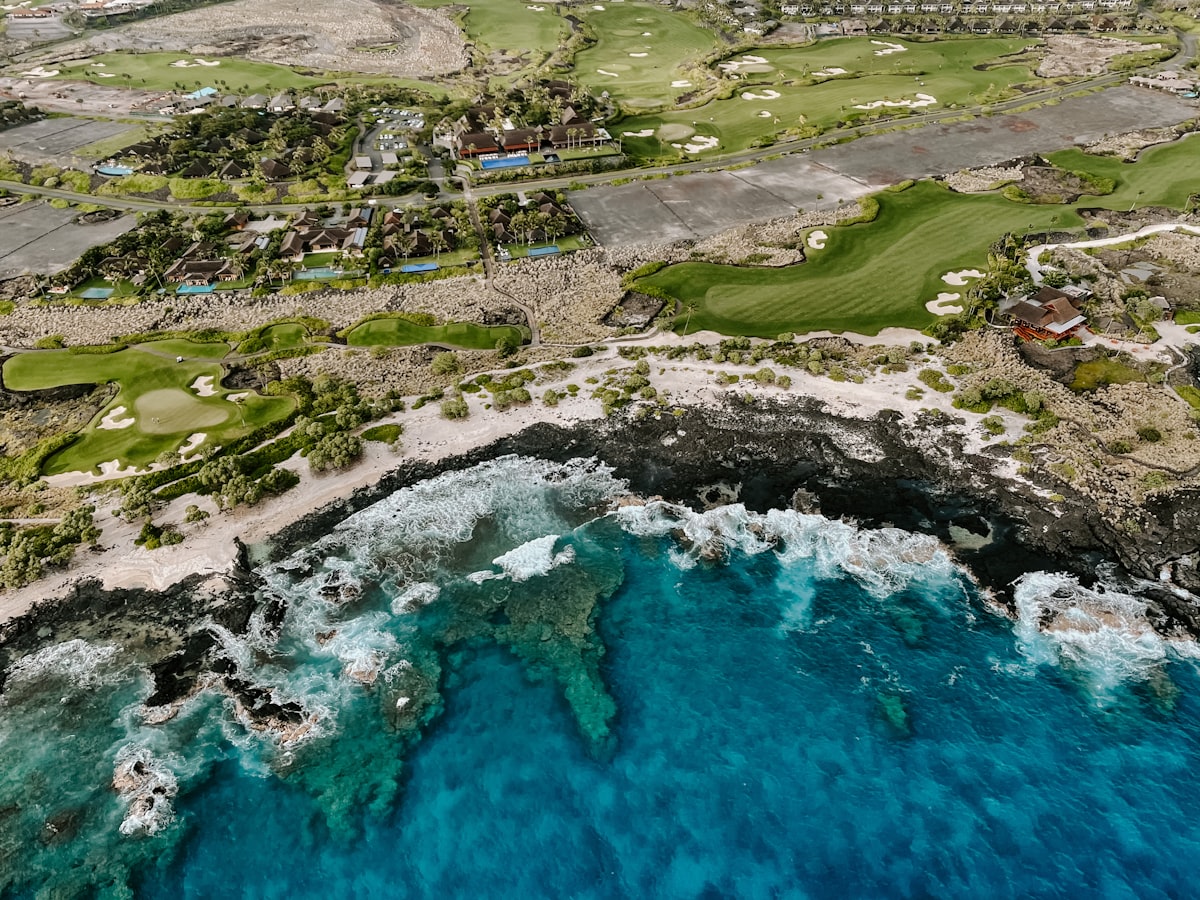
Kiawah Island has five golf courses. One of them is arguably the most famous public course in America. The other four? Most people can’t name them.
That’s the Kiawah Island experience in a nutshell. Everyone comes for the Ocean Course. The smart ones play the others too.
Here’s a brutally honest breakdown of every course on the island — what’s worth your money, what’s overrated, and whether dropping $500+ on a single round at the Ocean Course is the best or worst golf decision you’ll ever make.
The Ocean Course — 10/10
Green fee: $480 (resort guests), caddie fee extra ($60/person for forecaddie)
Total damage: $540-600 per round
Designer: Pete Dye (1991)
Notable: 1991 Ryder Cup “War on the Shore,” 2012 & 2021 PGA Championships
Let’s get the obvious question out of the way: yes, it’s worth it. At least once.
The Ocean Course is one of those places where the golf and the setting combine into something that transcends a normal round. Every single hole has an ocean view — the only course in the Northern Hemisphere where you can say that. Pete Dye built the course with elevated fairways specifically so you’d see the Atlantic from everywhere.
But this isn’t some pretty-boy resort course that holds your hand. The Ocean Course is brutal. The wind off the Atlantic averages 15-20 mph and regularly gusts past 30. Dye designed it so the wind direction changes your strategy on nearly every hole — what’s a driver-wedge par 4 downwind becomes a 3-wood-5-iron monster into the breeze.
What makes it special:
- Holes 14-18 might be the best closing stretch in American golf
- The par-3 17th (the “War on the Shore” hole) still gives people chills
- Walking with a caddie is mandatory for the morning wave — and it’s the right way to experience it
- Condition is always immaculate, even in February
The honest downside:
- It will eat your lunch if you can’t handle wind. Bring an extra sleeve of balls. Maybe two.
- At ~$550 all-in, you’re paying Pebble Beach prices. But unlike Pebble, you don’t need to be a guest — it’s technically open to the public.
- The difficulty is legitimate. If you shoot 95 at your home course, you might shoot 115 here. Don’t let that stop you, but manage your expectations.
Verdict: A bucket-list round. Period. Everyone should play it once. Whether you should play it instead of three rounds at Kiawah’s other courses is a different question.
Osprey Point — 9.0/10
Green fee: ~$200-240 (resort guests)
Designer: Tom Fazio (1988)
Best for: Mid-to-low handicaps who want a gorgeous, strategic round
Osprey Point is the course locals tell you to play, and they’re right. Fazio routed it through maritime forest, natural lakes, and marsh — the setting is distinctly lowcountry in a way the Ocean Course (which is all wind and dunes) isn’t.
The conditioning rivals the Ocean Course. The greens are fast, the fairways are tight in the right places, and the par 5s reward smart course management over brute force.
Standout holes:
- No. 15 — a par 3 over marsh to a peninsula green that demands a committed swing
- No. 6 — long par 4 through an oak-lined corridor
This is the course I’d play if I could only pick one non-Ocean Course round on Kiawah. It’s the best value on the island by a wide margin.
Turtle Point — 8.5/10
Green fee: ~$200-240 (resort guests)
Designer: Jack Nicklaus (1981)
Best for: Everyone — it’s the most well-rounded course on the island
Three holes directly on the ocean (15, 16, 17) give Turtle Point its identity, and they’re legitimately stunning. The rest of the course winds through lagoons and maritime forest.
Nicklaus renovated it in 2016, and the changes tightened everything up without making it punishing. The green complexes reward precision, and the short par-4 13th is one of the most fun holes on the island.
The knock: It doesn’t have the “wow factor” of the Ocean Course or the strategic depth of Osprey Point. It’s the safe, solid choice — the Honda Accord of Kiawah golf. That’s not an insult.
Cougar Point — 8.0/10
Green fee: ~$180-220 (resort guests)
Designer: Gary Player (1986, renovated 2020)
Best for: Higher handicaps and couples
The 2020 renovation by Player completely rebuilt this course, and it’s better for it. New greens, reshaped bunkers, and several rerouted holes that now play along the Kiawah River with marsh views.
It’s the most playable course on the island — wider fairways, fewer forced carries, gentler green complexes. That’s not a weakness; it’s a design choice. If you’re traveling with someone who doesn’t play much, this is where you bring them.
Don’t skip it because it’s “easier.” The closing four holes along the river are gorgeous, and the renovated greens have plenty of teeth.
Oak Point — 7.5/10
Green fee: ~$140-180 (resort guests)
Designer: Clyde Johnston (1997)
Best for: Budget-conscious rounds
Oak Point is technically off-island (across the bridge in Johns Island), which is why the green fee is lower. It’s a perfectly fine resort course — marshfront holes, nice conditioning, nothing that’ll blow your mind.
Honest assessment: If you’re on Kiawah for 4-5 days and need a fifth round, play Oak Point. If you’re there for 2-3 days, skip it and double up on Osprey Point.
The Kiawah Trip Planner
2-Day Trip (Best Value)
- Day 1 AM: Ocean Course (the experience)
- Day 2 AM: Osprey Point (the best “real” round)
- Total: ~$750-800
3-Day Trip (The Sweet Spot)
- Day 1 AM: Osprey Point (warm up)
- Day 2 AM: Ocean Course (the main event)
- Day 3 AM: Turtle Point (oceanside finish)
- Total: ~$950-1,100
4-Day Trip (Do It All)
- Day 1 AM: Cougar Point (ease in)
- Day 2 AM: Osprey Point
- Day 3 AM: Ocean Course
- Day 4 AM: Turtle Point
- Total: ~$1,100-1,300
When to Go
- Best weather: April-May and October-November (70s, lower humidity)
- Cheapest rates: December-February (but it’s cold and windy — the Ocean Course becomes borderline unplayable for higher handicaps)
- Peak season: March-April and September-October — book 2-3 months ahead for the Ocean Course
- Avoid: July-August unless you enjoy 95°F with 90% humidity and afternoon thunderstorms
Tips for Playing the Ocean Course
- Play from the right tees. The course plays 7,876 yards from the tips. You are not playing from the tips. The 6,300-yard tees are plenty for most golfers in wind.
- Take a forecaddie. They know exactly how the wind affects each hole and will save you 5 strokes minimum. The $60 fee is the best money you’ll spend.
- Bring wind gear. A wind vest, extra layers, and a hat that actually stays on. Even in summer, the ocean breeze can feel cool.
- Play morning if possible. Wind tends to build throughout the day. A 7:30 AM tee time plays 2-3 shots easier than 1:00 PM.
- Lower your expectations, raise your appreciation. You’re going to hit bad shots. Enjoy the scenery between them.
The Bottom Line
Kiawah Island is one of the top 3-4 golf destinations in America. The Ocean Course alone justifies the trip, but the supporting cast — especially Osprey Point — makes it a complete golf vacation.
Is it expensive? Absolutely. Is it worth it? If you love golf, if course experiences matter to you, if you want to play one of the most iconic courses in the world — yes. Unquestionably yes.
Just don’t go in July. Trust me on that one.
More course guides:
Weekly Golf Newsletter
Equipment reviews, tips to lower your scores, and exclusive deals delivered every Tuesday.
No spam. Unsubscribe anytime. 100% free.
Related Articles